


On February 21–22, 2026, Houston’s Toyota Center became the epicenter of an unexpected cross‑over between mixed martial arts and celebrity culture, as UFC Fight Night: Strickland vs. Hernandez not only delivered high‑octane action inside the cage but turned into one of the most talked‑about entertainment events of the weekend, thanks to star‑studded ringside attendees and a controversial post‑fight moment that set social media alight.
A Star‑Studded Night in Houston
UFC’s return to Houston marked its first visit to the city since 2022 and drew a plethora of notable figures from music, wrestling, comedy, and sports entertainment. Renowned Southern rap icon Bun B, widely regarded as Houston’s cultural ambassador, headlined the celebrity contingent at the Toyota Center, alongside fellow artists Tobe Nwigwe and Lil’ Flip. Wrestling legend Booker T and comedians like Mo Amer were also spotted enjoying the fight card, bridging the gap between MMA fandom and mainstream celebrity culture.
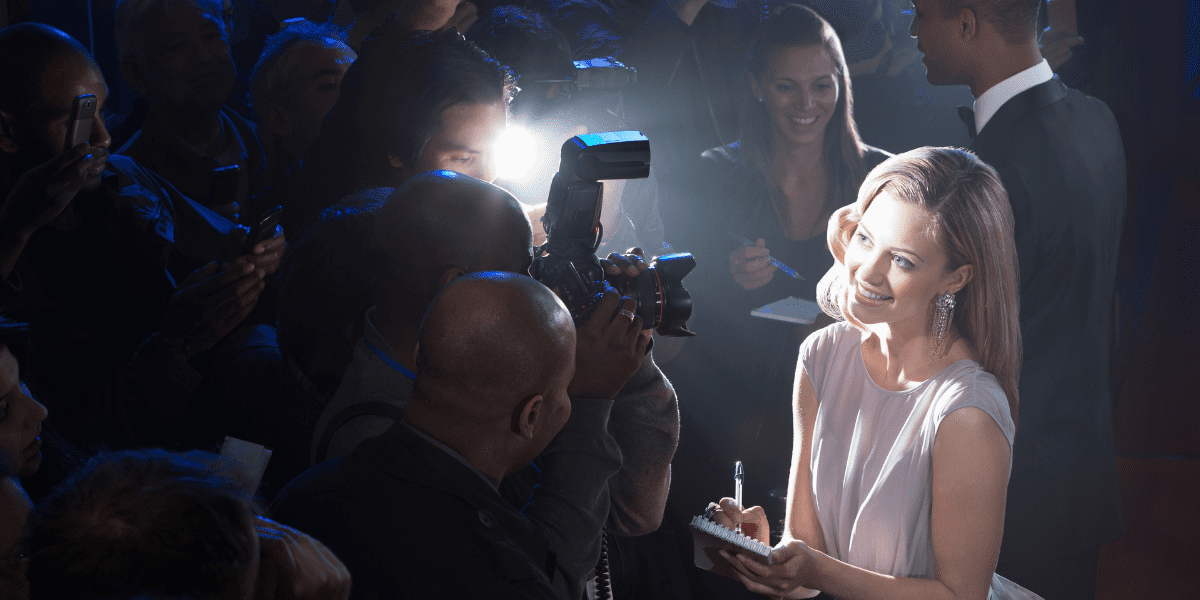
For fans of entertainment and pop culture, the unusual mix of personalities created buzz that rivaled many Hollywood events, from awards red carpets to concert premieres. Ringside cameras repeatedly cut to the celebrity crowd, making the UFC spectacle feel less like a pure sports event and more like a hybrid experience where pop icons and fight fans shared the spotlight.
The Main Event and Post‑Fight Controversy
Inside the Octagon, the headlining bout featured Sean Strickland taking on Anthony “Fluffy” Hernandez in a middleweight showdown. Strickland secured a decisive knockout victory in the third round, delivering a performance that would normally dominate headlines on its own.
However, it was Strickland’s post‑fight behavior that grabbed disproportionate attention. According to contemporaneous reporting, his microphone was cut after he directed another offensive slur at fellow fighter Khamzat Chimaev, following a week in which he had already drawn criticism for using a homophobic slur in a separate interview. UFC President Dana White publicly expressed frustration over the exchange, suggesting that both media questioning and the fighter’s provocations contributed to the moment.
The incident quickly became a trending topic online, drawing commentary not just from MMA fans but also from entertainment communities and celebrities reacting on social platforms. Critics and commentators debated the role of provocative language in sports, while others questioned the league’s handling of fighter conduct, all of which ensured that the event’s cultural impact extended far beyond the cage.
Why This Matters to Entertainment Fans
While UFC Fight Night might traditionally appeal to sports enthusiasts, the unique convergence of celebrity appearances and viral controversy broadened its cultural footprint. Here’s why this matters to entertainment audiences:
- Blurred Lines Between Sports and Celebrity Culture: The presence of high‑profile artists at the event, especially those known more for music and comedy than athletics, helped position MMA events as more than just athletic competitions. A celebrity sighting often equals social media content, news cycle chatter, and heightened public interest outside traditional sports circles.
- Pop Culture Conversations: Strickland’s controversial remarks quickly moved UFC coverage into wider cultural discourse, with reactions popping up across X (formerly Twitter), Instagram, and TikTok. Even non‑fight fans were drawn into discussions on celebrity responses and broader themes of accountability and language in public forums.
- How Entertainment Influences Sports Narratives: When celebrities like Bun B or Booker T attend mainstream sports events and generate buzz, it amplifies the event’s visibility in arenas that matter to fashion, media, and entertainment reporting. UFC effectively transformed a regional fight night into a moment with national cultural resonance.
Key Takeaways
- UFC Fight Night in Houston became more than a sports event, it emerged as an entertainment spectacle, blending A‑list faces with high‑stakes MMA action.
2. Social media and celebrity attendance extended its reach beyond fight fans into pop culture and lifestyle conversations.
3. Post‑fight controversy fueled broader debate, highlighting how athletic events can easily become cultural flashpoints that engage online communities.
In a media landscape where sports and celebrity culture increasingly intersect, February 22, 2026, anchored by UFC’s Houston event, serves as a prime example of how entertainment value now exists wherever stars and spectacle converge.