


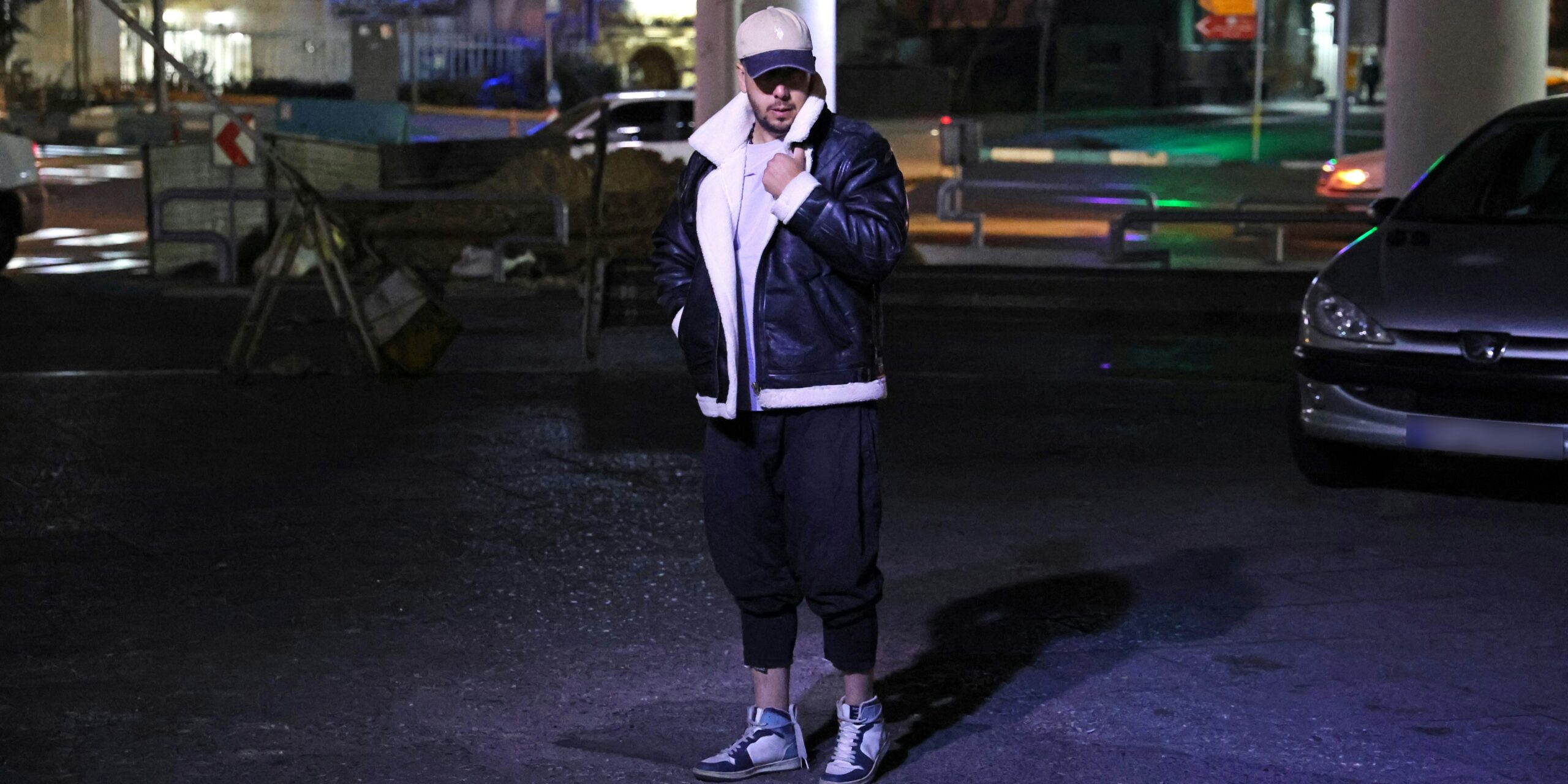
As 2025 comes to an end, the fashion world finds itself reflecting on a year defined by bold choices, expressive silhouettes, and a growing interplay between celebrity, culture, and personal identity. This year’s most iconic style moments extended far beyond traditional runway shows or red carpet appearances. Instead, fashion in 2025 unfolded across multiple stages—award ceremonies, film premieres, music events, and even social media feeds—each contributing to a broader visual narrative shaped by cultural movements, industry shifts, and celebrity power.
The influence of celebrity fashion continued to deepen in 2025, reinforcing how the lines between entertainment and style are more blurred than ever. Whether it was a viral look from an A-list actor at a movie premiere or a street-style moment snapped outside a fashion week venue, these instances collectively shaped the public’s fashion consciousness. With the rise of social platforms like TikTok and Instagram Reels, fashion moments that once remained within industry circles now sparked worldwide trends in real-time. Fans didn’t just admire their favorite stars—they adopted their styles, searched for similar pieces, and built their wardrobes around aesthetics fueled by pop culture.
Award shows remained major platforms for fashion innovation. Throughout 2025, the red carpet became a canvas for experimentation and storytelling. Celebrities embraced risk-taking with cutouts, sheer materials, sculptural designs, and bold color palettes. These fashion choices were not just about standing out; they were expressions of personality and often carried deeper cultural or artistic significance. Outfits were curated not just by designers, but in collaboration with stylists, makeup artists, and creative teams, illustrating how image-making in 2025 is a comprehensive, multimedia endeavor.
The Met Gala, one of the most anticipated fashion events of the year, set a particularly memorable tone. The theme, celebrating the legacy of Black tailoring and fashion innovation, encouraged a nuanced exploration of heritage and futurism. Attendees paid homage to trailblazing Black designers and historical fashion icons through inventive suiting, regal draping, and meticulously crafted ensembles. It was a powerful example of how fashion can both honor the past and envision the future, using clothing as a medium for dialogue, not just decoration.
Streetwear also held firm as a major fashion force. No longer confined to niche circles or youth culture, street-inspired fashion entered luxury spaces and vice versa. The crossover was evident at global music and sports events, particularly during moments like the Super Bowl halftime show, where rapper Kendrick Lamar’s designer flared jeans and athletic-luxe jacket drew significant attention. This synthesis of high fashion with everyday wear helped redefine what “trendsetting” looks like today. Luxury brands leaned into this fusion, frequently partnering with artists, athletes, and influencers to develop collections that spoke to this cultural crossroads.
Fashion weeks in Paris, Milan, New York, and Tokyo were not only showcases for designers, but also for the celebrities attending the shows. Beyoncé and Jay-Z’s presence at Louis Vuitton’s show in Paris, for instance, captivated audiences as much as the collection itself. Beyoncé’s custom denim ensemble, crafted by Louis Vuitton’s creative director Pharrell Williams, sparked online fashion debates and widespread emulation, proving once again how celebrity appearances can amplify a brand’s cultural currency.
Nostalgia also had a moment in 2025. The revival of ‘90s and early 2000s fashion was apparent across runways and retail shelves. Vintage denim cuts, oversized blazers, and minimalist silhouettes returned with a modern edge. Celebrities like Scarlett Johansson were frequently photographed in high-waisted jeans, cropped sweaters, and tailored blazers—looks that echoed a more laid-back, yet refined, style ethos. This trend reflected a broader yearning for familiarity in an ever-evolving world, using fashion to anchor the present in the aesthetics of the past.
At the same time, 2025 welcomed bolder, more theatrical trends. The resurgence of the “showgirl” aesthetic—marked by sequins, fringe, corsetry, and feathers—signaled a collective appetite for spectacle. Stars embraced looks that merged glamor with performance art, transforming public appearances into moments of immersive fashion drama. These dramatic styles reinforced fashion’s ability to uplift, entertain, and provide escape during turbulent times.
Accessories also played a crucial role in defining the year’s trends. Some of the most unexpected fashion phenomena came from the smallest items—like the viral Labubu doll bag charm. Popularized by celebrities across Asia and the United States, the charm quickly became a collectible fashion item, sparking a frenzy among fans and fashion enthusiasts alike. This trend exemplified how quirky, personality-driven details can generate as much buzz as a couture gown, especially in a fashion landscape driven by individuality and relatability.
Another evolution in 2025 was the deepening connection between fashion and identity. Many celebrities embraced more authentic, curated styles that mirrored their personal journeys. Millie Bobby Brown, for example, shared her fashion transformation over the year with a focus on comfort, simplicity, and minimalism—moving away from elaborate styling in favor of pieces that made her feel confident and aligned with her evolving self-image. Her influence resonated with fans seeking fashion that prioritized self-expression over spectacle.
Menswear, too, experienced a renaissance. While classic tailoring remained relevant, 2025 witnessed more fluidity in men’s fashion, with growing experimentation around color, fabric, and silhouette. Influential figures like A$AP Rocky challenged conventional style norms, introducing elements of gender-neutral fashion and street style into high fashion circles. His recognition as a fashion icon at the CFDA Awards underscored a cultural shift in how masculinity and style are perceived and celebrated.
Ultimately, fashion in 2025 served as a visual diary of the cultural currents shaping the world. It was a year that encouraged creativity, celebrated difference, and emphasized the power of visibility. Whether through daring red carpet moments, nostalgic throwbacks, or subtle streetwear choices, the year’s fashion highlights demonstrated that style today is less about fitting in and more about standing out, connecting, and making a statement.