


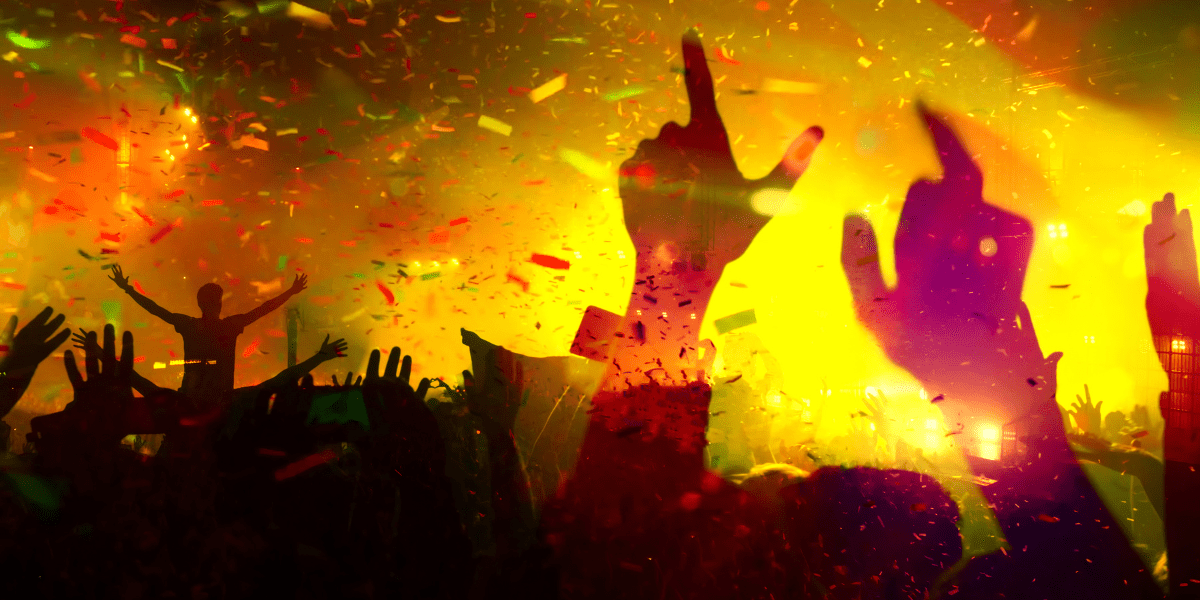
Indianapolis took on a distinctly pop-culture spotlight on April 5, 2026, as the final day of the NCAA’s March Madness Music Festival brought a major entertainment moment to the United States. The closing event, Capital One JamFest, was held at American Legion Mall in downtown Indianapolis, with Post Malone headlining a lineup that also included Megan Moroney, Dominic Fike, TroyBoi, and other performers. The festival, staged across Final Four weekend, has turned the city into more than a sports destination. It has also become one of the country’s biggest free live-music gatherings tied to a national event.
The scale of the occasion helps explain why it stands out as a major event for an entertainment-focused audience. The three-day March Madness Music Festival ran from April 3 through April 5 in Indianapolis, with different themed concert nights building toward Sunday’s finale. The weekend featured a diverse mix of performers across genres, giving the event wide appeal among fans of pop, hip-hop, country, and alternative music. By the time the final day arrived, anticipation had built around the closing performance, which served as the highlight of the festival.
Post Malone’s role was especially significant because he served as the final headliner for the last night of the festival. His appearance positioned the event as more than just a series of concerts. It became a nationally visible entertainment moment tied to one of the biggest weekends in the American sports and media calendar. Known for his chart-topping hits and genre-blending style, Post Malone brought mainstream appeal that extended beyond traditional music audiences, attracting both casual listeners and dedicated fans.
What makes the story notable beyond music is the way entertainment programming now operates alongside major sporting events as a destination draw in its own right. The festival was designed as a free public event, allowing fans, residents, and visitors to gather in a central location throughout Final Four weekend. This approach highlights how large-scale sporting events increasingly incorporate celebrity-driven entertainment to expand their cultural impact. In practical terms, a basketball weekend evolved into a broader celebration of music, celebrity culture, and live performance.
For readers interested in celebrity and entertainment trends, the lineup itself reflects the current direction of the industry. Megan Moroney’s rising influence in country music, Dominic Fike’s crossover appeal between music and television audiences, and TroyBoi’s presence in electronic music all contributed to a multi-genre experience. This variety underscores how major live events are curated to appeal to a wide demographic, ensuring relevance across different segments of the entertainment landscape.
The setting also played an important role in shaping the experience. American Legion Mall served as a central gathering space, transforming downtown Indianapolis into a large-scale outdoor venue. The event’s structure, with multiple performances throughout the afternoon and evening, created a festival atmosphere that encouraged extended engagement rather than a single headline act. This format aligns with broader trends in live entertainment, where audiences seek immersive, day-long experiences.
There is also a larger industry takeaway. Entertainment brands, sports organizations, and media partners are increasingly collaborating to create hybrid events that blend live music, celebrity appearances, and large-scale cultural moments. The March Madness Music Festival exemplifies this trend by extending the reach of the NCAA Final Four beyond sports into mainstream entertainment. For artists, it provides exposure to massive live and televised audiences. For host cities, it drives tourism and elevates their profile within national entertainment coverage.
The key takeaway is that April 5, 2026, was not only significant for sports fans but also for entertainment audiences across the country. Indianapolis became a national stage for music and celebrity culture, anchored by a high-profile performance from Post Malone. The success of the event highlights how entertainment continues to evolve alongside major public gatherings, creating shared cultural experiences that resonate far beyond a single venue.