


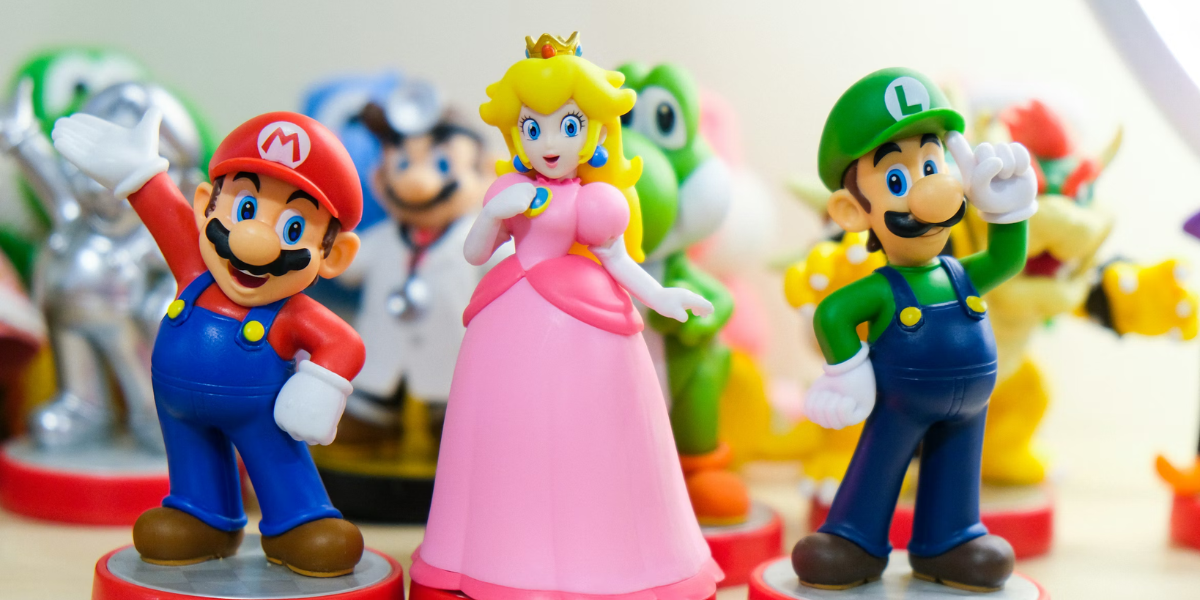
One of the biggest entertainment stories unfolding in the United States on April 2, 2026, is the powerful theatrical start of “The Super Mario Galaxy Movie,” the new Nintendo and Illumination release that opened nationwide and quickly became a major force at the North American box office. The animated sequel arrived in roughly 4,000 theaters, expanded the franchise into a larger cosmic adventure, and immediately positioned itself as one of the year’s most important commercial releases for Hollywood.
The film brings back key voices from the 2023 hit, including Chris Pratt as Mario and Charlie Day as Luigi, while pushing the story into outer space with new characters and a broader visual scale. The movie opened globally midweek and quickly generated strong early returns, setting a new benchmark for an April Wednesday debut and signaling high audience demand across both domestic and international markets.
That early momentum matters because the original The Super Mario Bros. Movie was not just a family hit. It became one of the defining commercial success stories of 2023, delivering a record-setting opening and eventually surpassing $1 billion in global box office revenue. The sequel arrives with similarly high expectations, fueled by the strength of the franchise and the continued popularity of video game adaptations in mainstream entertainment.
What makes this opening especially notable is how clearly it shows the ongoing value of established entertainment brands. Mario remains one of the most recognizable characters in global pop culture, and the sequel reinforces how familiar intellectual property can drive consistent audience turnout. By combining nostalgia with modern animation and a fast-paced narrative, the film appeals to both longtime fans and younger viewers discovering the character for the first time.
Critically, the response has been mixed but generally positive, with reviewers highlighting the film’s visual ambition and energetic pacing. While some critiques point to its dense storytelling and reliance on references, audience reception appears strong, especially among families. In the current entertainment landscape, that audience enthusiasm often plays a more significant role in box office performance than critical consensus alone.
The release is also important for the broader film industry, which continues to look for stable theatrical successes following recent fluctuations in moviegoing trends. A strong performance from “The Super Mario Galaxy Movie” supports the idea that large-scale, family-oriented releases tied to globally recognized franchises remain among the most reliable drivers of theater attendance. For exhibitors, this translates into increased foot traffic, stronger concession sales, and renewed optimism for upcoming seasonal releases.
Beyond box office numbers, the film reflects a broader shift in how entertainment properties are developed and expanded. The Mario franchise now spans video games, theme parks, merchandise, and film, creating a multi-platform ecosystem that strengthens audience engagement. Each new release is no longer just a standalone project but part of a larger strategy that connects different forms of entertainment into a unified brand experience.
For readers following entertainment trends, the key takeaway is clear. On April 2, 2026, the most significant show-business development in the United States is not simply the release of a new animated film. It is the confirmation that franchise-driven storytelling, especially when rooted in beloved global properties, continues to shape the future of Hollywood. If current performance trends hold, “The Super Mario Galaxy Movie” could become one of the year’s defining entertainment successes and further solidify the role of video game adaptations as a dominant force in modern cinema.