


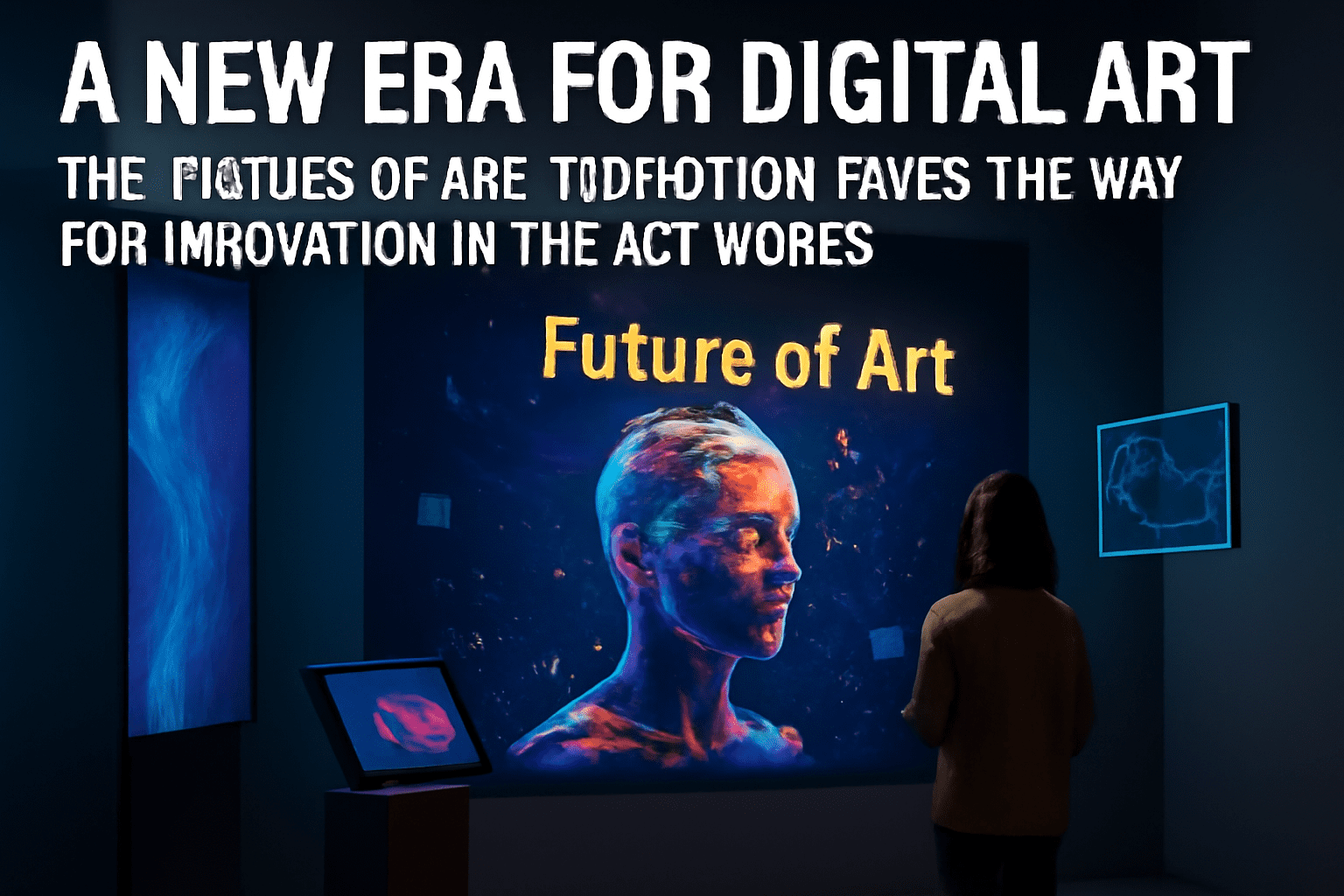
In the heart of New York City, the “Future of Art” exhibition, which opened on June 16, 2024, has become a groundbreaking event for the art world, highlighting a new chapter where technology and creativity intersect. The exhibition, curated by a group of visionary art experts, is not just a display of traditional artwork but a bold statement on the integration of multimedia, artificial intelligence, and digital technologies in contemporary art. The showcase is a pivotal moment for artists embracing new mediums, with two standout creators, Nathan Fields and Ava Lopez, leading the way.
Pioneering Art in the Digital Age
The “Future of Art” exhibition marks a significant moment in the evolution of art. This event is a celebration of the innovative ways artists are blending technology with traditional art forms, offering new perspectives and immersive experiences for viewers. The exhibition features a wide range of mediums including virtual reality, augmented reality, AI-generated art, interactive installations, and video projections. These installations not only invite viewers to engage with the artwork in new ways but also encourage participation, making art an experience that transcends the passive observer.
One of the central pieces of the exhibition is Nathan Fields’ “Fragmented Realities.” Fields, who is known for incorporating AI into his creations, presented an immersive installation that merges holographic projections with video footage, creating a layered representation of a society heavily influenced by social media. This piece is a stark commentary on the impact of technology on human connections, prompting visitors to reflect on the role of digital culture in shaping personal identities.
Fields’ work has been steadily gaining attention in underground circles, but the “Future of Art” exhibition launched him into the mainstream art world. His installation captivated audiences and created buzz around his unique blend of cutting-edge technology and deep cultural commentary. With “Fragmented Realities,” Fields showcases the potential for AI to create art that is not just reactive but actively responsive to the viewer’s presence, blurring the line between the observer and the observed.
Ava Lopez: Redefining Environmental Art
In a similarly striking presentation, Ava Lopez, a multimedia artist known for her thought-provoking explorations of nature and technology, showcased her piece “Elysium Reborn.” This immersive journey took viewers through a digitally-rendered world that juxtaposed futuristic architecture with elements of the natural environment, challenging viewers to consider the future of our planet in an age of technological dominance. Lopez’s piece explores the intersection of environmental issues and the role of advanced technologies in shaping both the physical and digital worlds.
What made Lopez’s installation stand out was her innovative approach to sound design and holography. In collaboration with tech companies, Lopez created an environment that was not only visually stunning but acoustically immersive, using sound to deepen the emotional impact of her work. Her commentary on climate change and the balance between nature and technology resonated with many, earning her widespread acclaim and a loyal following overnight.
The Role of Technology and Innovation in the Art World
The success of these multimedia installations highlights a broader trend in the art world: the growing role of technology in shaping the future of creativity. As artists like Nathan Fields and Ava Lopez demonstrate, technology is no longer just a tool for creation but a medium that can challenge the very definition of art itself. The use of artificial intelligence, virtual reality, and holograms represents the next frontier for art, allowing artists to create experiences that engage the senses in ways traditional artwork cannot.
Behind the scenes, both Fields and Lopez worked closely with leading technology companies to push the boundaries of what was previously thought possible in an art exhibition. With advances in AI and virtual technology, artists now have more opportunities than ever to experiment with new forms of expression. These collaborations not only benefit the artists but also provide tech companies with a platform to showcase their innovations in an artistic context.
The Long-Term Impact on Artist Careers
The “Future of Art” exhibition had an immediate impact on the careers of its featured artists. For Nathan Fields, the success of his installation led to a series of high-profile commissions, including a major solo exhibition at the Museum of Modern Art in late June 2024. His work, which blends AI with visual art, was lauded for its ability to raise important questions about social media’s effect on society, cementing Fields as a leading figure in digital and interactive art.
Ava Lopez’s rise was equally swift, as her work earned her collaborations with global tech companies eager to support her innovative art. With sponsorships and opportunities to expand her projects into virtual reality experiences and even film, Lopez is now one of the most sought-after multimedia artists in the contemporary scene. Her success highlights the growing intersection between art, technology, and environmental activism, making her a trailblazer for future generations of artists.
The Future of Art
The “Future of Art” exhibition is a testament to the transformative power of technology in the art world. By pushing boundaries and encouraging innovative thinking, this event has opened new doors for artists, collectors, and art enthusiasts alike. As artists like Fields and Lopez continue to explore the potential of digital art, it’s clear that the future of art is not confined to traditional mediums, but rather an exciting amalgamation of technology, creativity, and social commentary.
This exhibition marks just the beginning of a new era where digital and interactive art are central to the artistic experience, signaling a shift in the way we understand and engage with art in the 21st century. As more artists embrace technology and new media, we can only anticipate even more groundbreaking exhibitions and experiences in the years to come. The “Future of Art” exhibition of 2024 is a glimpse into that promising future.