
Chris Rock’s ‘Misty Green’ Draws Attention at Toronto International Film Festival
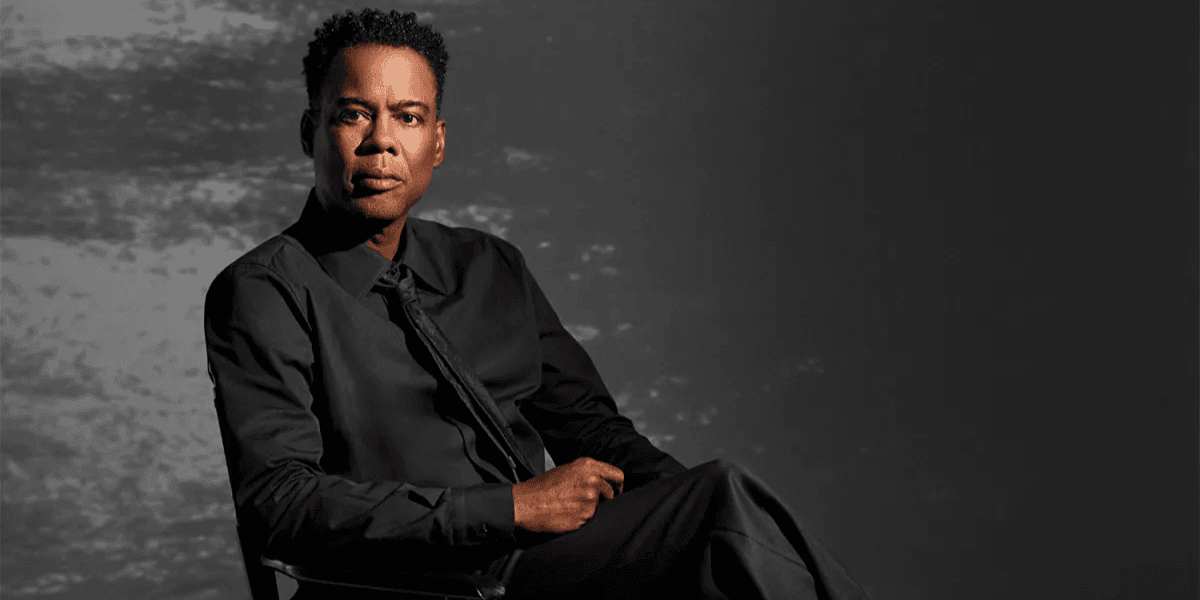
Chris Rock’s new film explores the pressures facing working actors while bringing a major Hollywood ensemble to Toronto.
A New Film Takes Center Stage in Toronto
Chris Rock’s new film Misty Green became one of the notable entertainment stories surrounding the Toronto International Film Festival on September 13, 2026. The film attracted attention for its examination of the entertainment industry and the difficult realities faced by actors trying to maintain successful careers. Its festival appearance brought together Rock and a prominent cast that includes Rosalind Eleazar, Daniel Kaluuya, Tracie Thoms, Topher Grace, Adam Driver, and Anna Kendrick.
The project centers on an Emmy-winning actress who, many years after receiving major recognition, continues to audition for work in an increasingly competitive industry. The storyline explores the gap between public success and professional security, presenting a Hollywood environment in which even established performers may be required to repeatedly prove their value. The film’s subject matter gave its Toronto appearance a strong connection to ongoing conversations about fame, employment, and changing expectations within the entertainment business.
A Story About the Reality Behind Fame
At the center of Misty Green is an accomplished actress played by Rosalind Eleazar. Although the character has already achieved major professional recognition, she remains subject to the uncertainty that defines many performers’ careers. The film presents auditions not as a temporary stage before success, but as a continuing requirement for actors who may already have extensive experience and respected credits.
That premise offers a different perspective on Hollywood than the traditional success story. Instead of focusing only on premieres, awards, red carpets, and celebrity visibility, Misty Green examines the less glamorous work that takes place behind those public moments. The film suggests that professional recognition does not necessarily eliminate insecurity, and that the entertainment industry’s demand for constant reinvention can affect performers at every level.
Amy Landecker Highlights Industry Frustrations
Actress Amy Landecker, who attended the film’s Toronto premiere and related panel, spoke openly about the continuing pressure to audition despite her experience as a performer on the Emmy-winning series Transparent. She described the modern self-taping process as humiliating and criticized the amount of preparation actors must now complete for roles, including lighting, recording, editing, and providing basic personal information.
Landecker’s comments added a real-world dimension to the film’s central theme. Her experience reflected the concerns presented in Misty Green, particularly the idea that actors can remain professionally vulnerable even after receiving critical acclaim. Her remarks also drew attention to how technology has changed auditions, shifting more responsibility from casting offices and production teams onto performers themselves.
Self-Taped Auditions Change the Casting Process
Self-taped auditions have become a major part of the modern casting process. Instead of traveling to a studio or meeting directly with casting professionals, actors are often expected to record scenes at home and submit them digitally. While the system can make auditions more accessible geographically, it also requires performers to manage technical tasks that were previously handled by professionals.
Actors may need to arrange suitable lighting, secure recording equipment, edit footage, follow detailed submission instructions, and complete multiple takes. For performers without access to professional equipment or a dedicated workspace, the process can create additional financial and logistical pressure. Landecker’s criticism reflects a broader concern that casting systems may increasingly judge technical presentation alongside acting ability.
The Film Connects With Working Performers
The themes explored in Misty Green are likely to resonate with actors who experience the uncertainty of freelance employment. Unlike traditional full-time careers, acting often involves periods of intense work followed by long stretches without a confirmed project. Even performers with recognizable credits may face repeated auditions, changing casting preferences, and unpredictable production schedules.
The film’s focus on an award-winning actress who remains caught in that cycle gives the issue a particularly sharp dramatic angle. It challenges the assumption that a successful career automatically produces long-term stability. By placing professional insecurity at the center of its story, Misty Green presents the entertainment industry as a field where reputation and achievement may not guarantee future opportunities.
A High-Profile Cast Strengthens Interest
The film’s ensemble also contributed to its visibility at the festival. Chris Rock’s involvement brought attention from audiences familiar with his work in comedy, film, television, and live performance. Daniel Kaluuya added the profile of an acclaimed dramatic actor, while Adam Driver and Anna Kendrick expanded the project’s mainstream appeal. Tracie Thoms and Topher Grace further connected the film to established television and film audiences.
Rosalind Eleazar’s leading role placed the story’s emotional weight on a performer whose character must navigate professional disappointment and public expectations. The combination of recognizable names and a timely industry-centered narrative helped position the film as more than a conventional celebrity project. It presented a story about the structures and pressures that shape the careers of people working behind the entertainment headlines.
Hollywood Continues to Examine Its Own Industry
Misty Green arrives at a time when Hollywood is facing significant changes in production, distribution, and employment. Streaming platforms, shifting audience habits, tighter budgets, and evolving technology have changed how projects are financed and how performers find work. The industry’s transformation has created new opportunities but has also increased uncertainty for many creative professionals.
The film’s subject matter reflects these wider changes without relying solely on spectacle. Its focus on auditions, career longevity, and professional vulnerability gives audiences a closer look at the everyday realities of entertainment work. The story may be especially relevant to viewers who see celebrities as permanently secure, despite the instability that can exist behind public recognition.
Toronto Provides a Platform for Industry Conversations
The Toronto International Film Festival has long served as a major platform for films that combine entertainment value with broader cultural and industry themes. By presenting Misty Green in that setting, the festival gave the film an opportunity to reach critics, distributors, performers, and international audiences.
The discussion surrounding the premiere also demonstrated the value of festival panels in expanding the conversation beyond a movie’s plot. Landecker’s comments encouraged attention toward the practical realities of acting, while the film itself offered a fictionalized examination of the same concerns. Together, the screening and panel created a broader discussion about how Hollywood treats experienced performers and how technology is reshaping the path to employment.
A Film With Broader Pop-Culture Relevance
Misty Green stands out because it examines the entertainment industry from the perspective of someone who has already succeeded but remains uncertain about what comes next. That approach gives the film relevance beyond Hollywood insiders, particularly for audiences interested in celebrity culture, workplace pressure, and the difference between public image and private experience.
As the Toronto festival continues to showcase major films and industry talent, Misty Green has drawn attention for its combination of recognizable performers and a subject that challenges common assumptions about fame. Its September 13 appearance placed the project within a larger entertainment conversation about career longevity, changing technology, and the human cost of maintaining a place in the spotlight.

Celeb Digest Contributor
Covers music and entertainment, following releases, screens, and the industry around them.
This article features partner, contributor, or branded content from a third party. Members of the Celeb Digest editorial staff were not involved in the creation of this content. All views and opinions are those of the contributor alone.
Related Posts

Entertainment·September 10, 2026


Entertainment·September 7, 2026