Hollywood Fashion Enters a New Era as Celebrity Style, Vintage Couture, and Digital Design Redefine Red Carpet Trends

The U.S. fashion and entertainment industries are currently experiencing a major stylistic evolution, shaped by shifting celebrity preferences, designer innovation, and the growing influence of digital tools in luxury fashion. As Hollywood moves deeper into the spring and early awards-season cycle, stylists, designers, and brands are redefining what high-profile fashion looks like in an era increasingly driven by individuality, sustainability, and technology.
Rather than a single dominant trend, the current fashion landscape is defined by multiple overlapping movements that are collectively reshaping red carpet aesthetics and celebrity wardrobes. From refined minimalism to archival couture revivals, today’s style direction reflects a more intentional and curated approach to public appearances.
“Quiet Luxury” Evolves Into a More Expressive Minimalism
One of the most noticeable shifts in celebrity fashion is the evolution of the “quiet luxury” aesthetic. While earlier interpretations focused heavily on understated, logo-free clothing and neutral tones, the modern version seen in Hollywood today has become more nuanced and expressive.
Stylists are now incorporating richer textures, sculptural tailoring, and subtle statement details while still maintaining a polished, minimalist foundation. Instead of relying solely on simplicity, celebrity looks emphasize craftsmanship, structured silhouettes, layered fabrics, and carefully engineered draping are becoming central to red carpet presentations.
This shift reflects a broader cultural movement away from overt branding and toward a more sophisticated form of visual storytelling. Celebrities are increasingly being styled not just to look elegant, but to convey a narrative through design choices, fabric selection, and silhouette construction.
Vintage Couture Becomes a Defining Force in Celebrity Styling
Another major development shaping Hollywood fashion is the resurgence of archival couture. Vintage fashion has moved far beyond occasional throwback moments and is now a core strategy for many stylists working with high-profile clients.
Luxury houses and archival fashion departments are seeing increased demand for restored pieces from past decades, particularly designs from the late 1990s and early 2000s. These garments are being reintroduced on red carpets, press tours, and major entertainment events, often styled in ways that blend nostalgia with modern aesthetics.
This trend is driven by several factors. Sustainability concerns are encouraging the reuse and reimagination of existing garments, while audiences continue to show strong interest in fashion history and iconic red carpet moments. At the same time, vintage couture offers exclusivity that even custom-made modern pieces sometimes cannot match, making it highly desirable for celebrity appearances.
Stylists are now building entire fashion narratives around archival selections, carefully choosing pieces that align with a celebrity’s public image or the theme of a specific event.
Red Carpet Strategy Becomes More Collaborative and Long-Term
The way celebrity fashion is planned has also evolved significantly. Rather than last-minute outfit selections, red carpet looks are now developed through long-term collaborations between stylists, designers, and luxury brands.
Fashion houses often begin working with celebrities months in advance, creating custom pieces or reserving archival garments for specific appearances. This process includes multiple fittings, design revisions, and coordinated accessory planning to ensure cohesion from head to toe.
The red carpet is no longer just a moment of appearance, it has become a strategic platform for brand storytelling. Every look is carefully curated to align with upcoming film releases, music projects, or brand partnerships, turning fashion into an extension of a celebrity’s broader professional identity.
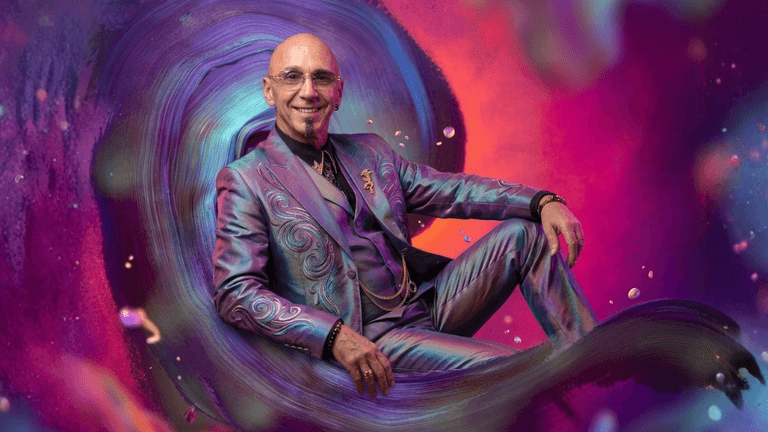
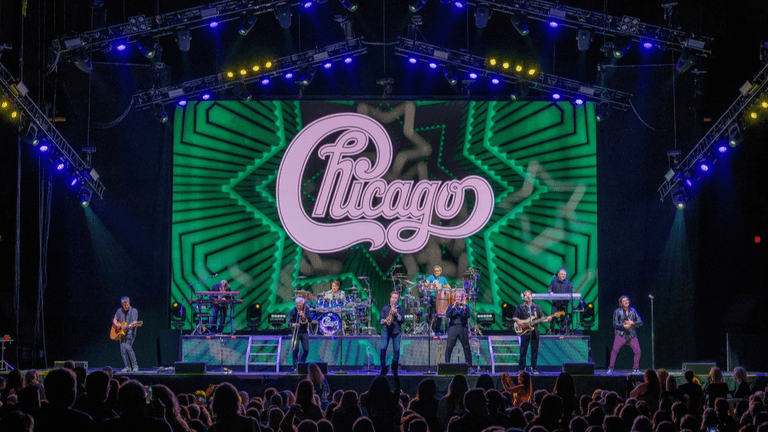
Music Industry Continues to Drive Experimental Fashion Trends
The influence of the music industry on fashion remains one of the most powerful forces in pop culture. Touring artists and chart-topping performers are increasingly shaping global style trends through stage costumes, music videos, and social media appearances.
Oversized silhouettes, futuristic materials, and bold experimental layering are becoming more common in both performance wear and mainstream fashion collections. These looks often transition from stage environments into editorial spreads and eventually into everyday streetwear trends.
Designers are responding by creating more adaptable couture pieces that can function across multiple settings, including performances, photo shoots, and red carpet events. This blending of performance and luxury fashion continues to blur the line between entertainment and high fashion.
Digital Fashion and AI Tools Transform Design and Styling
Technology is also playing a growing role in how fashion is created and presented. Digital design tools and virtual styling platforms are now widely used in the early stages of garment development, allowing designers and stylists to visualize complete looks before physical production begins.
This shift has improved efficiency and reduced waste, particularly in the creation of custom couture pieces. Celebrities can now preview multiple design options digitally, experiment with variations in fabric and structure, and finalize looks with greater precision.
Some luxury fashion houses are also exploring digital-only previews and virtual fittings for select clients, streamlining the collaboration process between designers and stylists. While traditional craftsmanship remains central to haute couture, digital innovation is becoming an essential part of the modern design workflow.
A Fashion Industry Defined by Individuality and Innovation
Taken together, these developments reflect a broader transformation in Hollywood fashion. Rather than being driven by a single dominant trend, the industry is now defined by diversity of expression and layered creative influences.
Minimalism has become more textured, vintage fashion has become a strategic tool, red carpet styling has become more collaborative, and digital tools have become integral to the design process. At the same time, music culture continues to push fashion toward more experimental and boundary-breaking aesthetics.
As a result, celebrity fashion today is less about following trends and more about shaping them. Each appearance contributes to an ongoing visual dialogue between designers, stylists, and audiences, one that continues to evolve with every new red carpet moment, performance, and public appearance.

Celeb Digest Contributor
Covers fashion and what is trending, from the runway to the moments the internet will not let go of.
This article features partner, contributor, or branded content from a third party. Members of the Celeb Digest editorial staff were not involved in the creation of this content. All views and opinions are those of the contributor alone.
Related Posts
Trending·October 26, 2026

Entertainment·October 14, 2026