
State Leaders Form Public Health Alliance as Federal Support Wanes
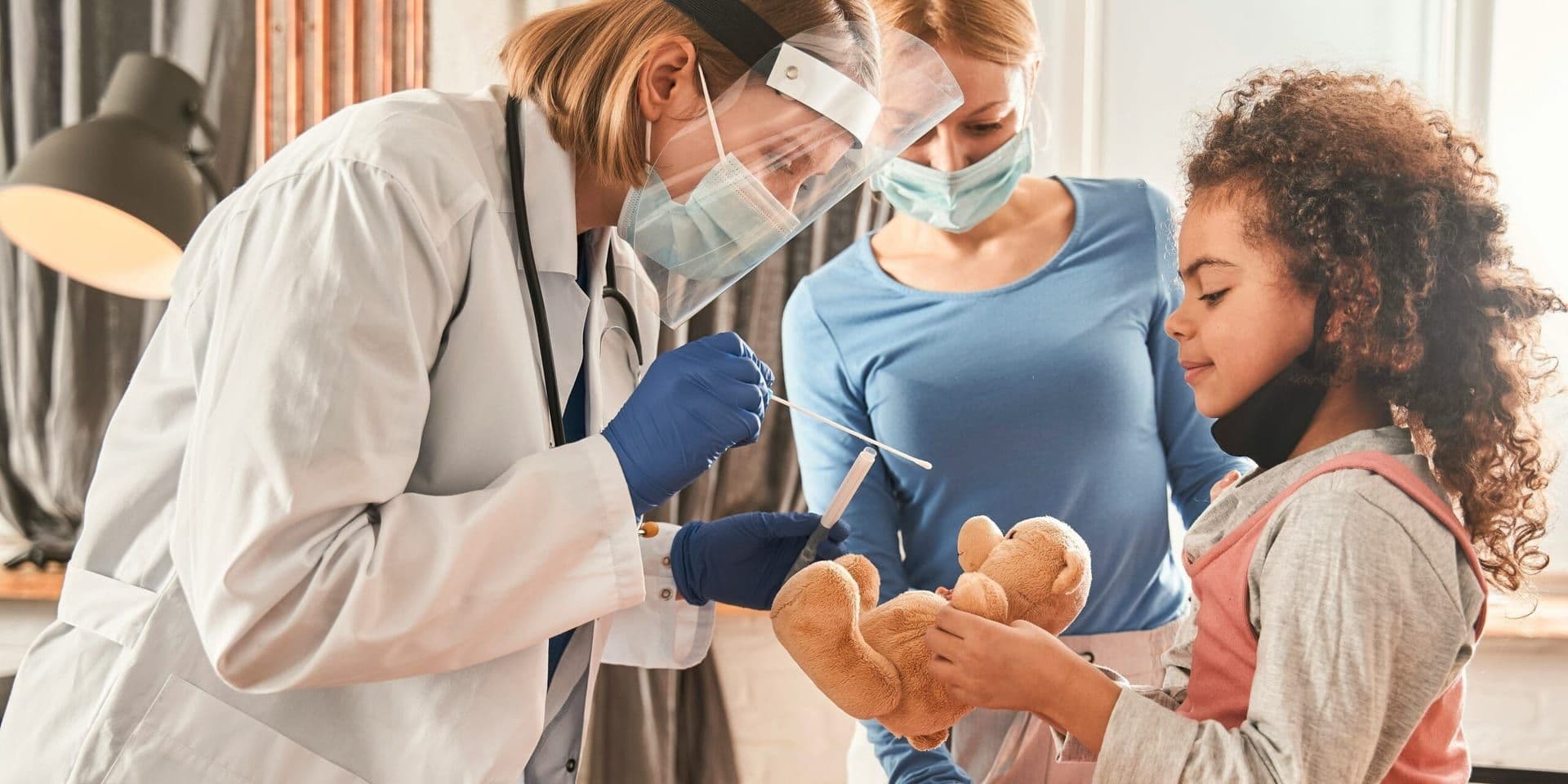
In response to recent federal funding cuts and organizational upheaval within major health agencies, a coalition of 15 U.S. governors has formed a new alliance aimed at strengthening public health efforts at the state level. Known as the Governors Public Health Alliance (GPHA), the group officially launched on October 15, 2025, representing states that collectively house over one-third of the U.S. population. The initiative is viewed as a significant shift in how public health policy and emergency preparedness may be coordinated in the future.
The GPHA emerges at a time of growing anxiety among state leaders about the reliability of federal leadership in addressing public health crises. Over the past year, the Centers for Disease Control and Prevention (CDC) and the Department of Health and Human Services (HHS) have undergone restructuring that includes a reduction in workforce, shifts in guidance policies, and delays in resource allocation. These changes, combined with inconsistent funding streams and political interference, have prompted many governors to rethink their dependence on Washington.
Read Also: https://celebdigest.com/love-island-usa-season-7-shakes-up-villa-with-five-contestant-eliminations/
Colorado Governor Jared Polis, one of the alliance’s early proponents, framed the effort as a necessary evolution in state-level governance. “With regular uncertainty and less resources from Washington D.C., governors are on the front lines of public health,” Polis stated in remarks announcing Colorado’s participation in the alliance. Other founding members include the governors of California, Connecticut, Delaware, Guam, Hawaii, Illinois, Maryland, Massachusetts, New Jersey, New York, North Carolina, Oregon, Rhode Island, and Washington.
The GPHA has positioned itself as a nonpartisan initiative, although all of the current member states are led by Democratic governors. The alliance is designed to serve as a coordinating hub where states can share resources, exchange data, and collaborate on public health strategies that transcend state lines. It is expected to develop toolkits for vaccine distribution, outbreak response plans, and standardized public health messaging. The group also aims to foster direct relationships with global health organizations, allowing states to receive timely information and participate in broader international health discussions.
Underlying the creation of this alliance is a growing sense that the national public health infrastructure is no longer sufficient to meet the demands of today’s complex and interconnected world. The COVID-19 pandemic exposed numerous vulnerabilities in the U.S. health system, many of which have not been fully addressed. With looming threats such as emerging infectious diseases, climate-induced health emergencies, and mass gatherings like the upcoming 2028 Olympic Games in Los Angeles, governors are looking to safeguard their states with more agile and responsive systems.
One of the alliance’s core priorities is to build mechanisms for real-time disease surveillance across states. Member governors say that rapid information sharing will be key to identifying and containing threats before they escalate into national or global emergencies. The group is also discussing how to collectively manage vaccine stockpiles and medical supply chains, ensuring a more stable and efficient distribution process in times of crisis.
However, the initiative is not without its critics. Some public health experts have raised concerns that such state-led alliances could further fragment the nation’s public health landscape. Historically, the U.S. has relied on a federal-state partnership model, with the CDC providing consistent guidance across all states. The emergence of independent alliances may lead to disparities in policy, messaging, and resource access, potentially complicating responses to nationwide emergencies.
There is also the question of sustainability. Without the deep pockets and institutional support of federal agencies, the alliance will need to secure funding from state budgets, private foundations, or other sources. While wealthier states may be able to invest in robust infrastructure, less affluent members could struggle to maintain the same level of readiness, creating uneven capabilities across the alliance.
The political dimension of the GPHA also presents challenges. Though officially nonpartisan, the alliance’s current composition is exclusively Democratic, prompting speculation about whether Republican-led states will join or form their own parallel initiatives. This partisan divide could undermine the goal of national coordination and reinforce the trend toward politicization of public health—a trend that has already eroded public trust in recent years.
Despite these concerns, the governors behind the GPHA argue that the risks of inaction are too great. They cite recent federal workforce reductions and the absence of cohesive federal leadership during the early months of the COVID-19 pandemic as examples of why states must take greater responsibility for public health.
The next test for the alliance will be how effectively it can operate in a real-world scenario. Whether responding to a regional outbreak, a natural disaster, or another pandemic, the GPHA’s ability to provide rapid, coordinated, and evidence-based responses will determine its value. If successful, it may pave the way for a more decentralized, state-empowered public health model—one that relies less on federal leadership and more on local innovation and inter-state collaboration.
While the formation of the GPHA represents a significant shift in how public health may be managed going forward, its long-term success will depend on whether it can maintain bipartisan credibility, secure sustainable funding, and deliver measurable results during times of crisis. For now, it stands as a powerful statement by state leaders determined to protect the health of their residents in an era of federal retrenchment.

Celeb Digest Contributor
Covers celebrity news, reporting on the people at the centre of the story.
This article features partner, contributor, or branded content from a third party. Members of the Celeb Digest editorial staff were not involved in the creation of this content. All views and opinions are those of the contributor alone.
Related Posts

Celebrity News·October 13, 2026

Celebrity News·October 5, 2026

Entertainment·October 14, 2026