
The Release of ‘300’ (2007): A Revolutionary Epic in Action Cinema
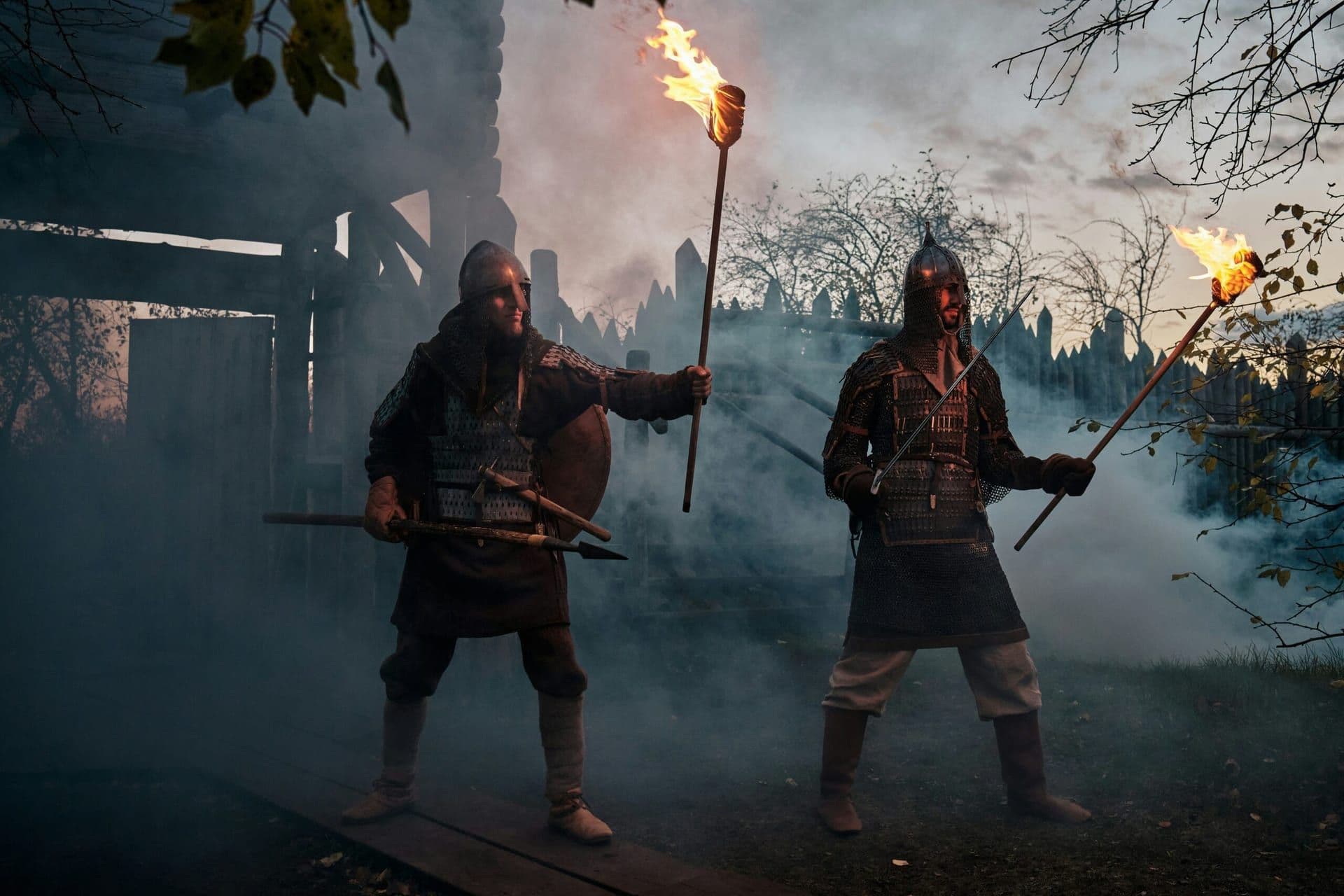
On March 9, 2007, 300, directed by Zack Snyder, premiered in theaters, introducing audiences to an unforgettable and visually striking cinematic experience. Based on the graphic novel by Frank Miller and Lynn Varley, the film is a stylized retelling of the legendary Battle of Thermopylae, where King Leonidas of Sparta (Gerard Butler) leads a small, courageous group of Spartans in a fierce stand against the massive Persian army. Known for its breathtaking visual style and intense action sequences, 300 became a defining moment in action cinema and a cultural touchstone.
A Revolutionary Visual Style
One of the most notable aspects of 300 is its groundbreaking visual style. The film uses heavily stylized graphics and slow-motion action sequences that emphasize its comic book origins, creating a hyper-realistic aesthetic that immerses viewers in the ancient world of Sparta. The use of saturated colors, stark contrasts, and digital effects allowed Snyder to craft an epic that felt both timeless and otherworldly. The visual techniques, including the iconic use of slow-motion combat scenes, were revolutionary at the time and have since influenced a wide range of films in the action and fantasy genres.
The striking visuals were integral to the film’s storytelling, heightening the intensity of the battle scenes and emphasizing the Spartan warriors’ fierce determination. This hyper-stylized approach to action sequences set a new standard in Hollywood for how battle scenes could be portrayed on-screen, blending physicality with a graphic novel-inspired aesthetic that was unlike anything audiences had seen before.
Themes of Heroism, Sacrifice, and Defiance
At its core, 300 is a story of heroism, sacrifice, and defiance. The film tells the tale of King Leonidas and his 300 Spartan warriors, who, against overwhelming odds, make a heroic stand to protect their homeland from the invading Persian forces led by King Xerxes. Their unwavering courage, commitment to their people, and willingness to fight to the death resonate deeply with viewers, establishing the Spartans as symbols of strength and resistance.
The film’s portrayal of these themes—strength in unity, the willingness to make the ultimate sacrifice for a cause, and the heroic battle against tyranny—struck a chord with audiences and made the film an instant classic in the action genre. The memorable line, “This is Sparta!” became emblematic of the film’s themes of defiance and resolute leadership, further cementing its cultural impact.
Commercial Success and Cultural Impact
300 was a commercial juggernaut, grossing over $450 million worldwide, making it one of the most successful R-rated films of all time. Its widespread appeal was driven by its intense action, memorable dialogue, and bold visual approach. The film’s success at the box office also helped solidify the popularity of graphic novel adaptations in Hollywood, opening the door for more films inspired by comic books and graphic novels in the years that followed.
Beyond its box office success, 300 left a lasting mark on pop culture. The Spartan warriors, with their iconic armor, shields, and battle cries, became instantly recognizable figures, symbolizing strength and determination. The film’s portrayal of the Battle of Thermopylae became an enduring example of the power of a small group of determined individuals standing up against insurmountable odds. The imagery of the Spartan soldiers, their unwavering resolve, and the famous “This is Sparta!” scene were ingrained in popular culture, often referenced or parodied in other media.
The film also influenced many subsequent action films, particularly in the realm of epic battle sequences and stylized fight choreography. Movies that followed, such as Clash of the Titans (2010) and Immortals (2011), adopted similar visual styles and action sequences, demonstrating the lasting impact of 300 on the genre.
Gerard Butler’s Iconic Role as King Leonidas
For Gerard Butler, 300 became a career-defining role. His portrayal of King Leonidas, with his commanding presence and impassioned speeches, made him an international star and a beloved figure in the action film world. The film’s success helped solidify Butler’s place in Hollywood, and his portrayal of the Spartan king remains one of his most iconic roles. The character’s leadership, physicality, and memorable one-liners ensured that Butler became synonymous with the film’s success.
Behind the Scenes: Innovation and Visual Storytelling
Behind the scenes, 300 was an ambitious and innovative production. Zack Snyder and his team relied heavily on green screen technology to create the film’s striking visual effects. The film was shot primarily on green screen stages, allowing the filmmakers to digitally construct the battlefields, landscapes, and the towering figure of King Xerxes. The use of visual effects, combined with Snyder’s stylized direction, gave the film its graphic novel-inspired look, allowing it to stand apart from other epic historical dramas.
The film’s success was also due to the close collaboration between Snyder, cinematographer Larry Fong, and production designer James Bissell, who helped bring the highly stylized world of 300 to life. The film’s stunning visual design, combined with the rousing music score by Tyler Bates, created a fully immersive experience that left a lasting impression on audiences.
Legacy of 300 in Action Cinema
The release of 300 marked a defining moment in modern action cinema. Its bold visual style, intense action sequences, and powerful themes of heroism and sacrifice set a new benchmark for action films. The film’s success helped popularize graphic novel adaptations in Hollywood and introduced a unique visual language that continues to influence filmmakers today.
300 remains a beloved classic in the action genre, with its impact on pop culture and filmmaking still felt in numerous films, television shows, and video games. Its portrayal of battle, heroism, and defiance continues to resonate with audiences, ensuring that it remains a defining film of the 21st century.

Celeb Digest Contributor
Covers celebrity news, reporting on the people at the centre of the story.
This article features partner, contributor, or branded content from a third party. Members of the Celeb Digest editorial staff were not involved in the creation of this content. All views and opinions are those of the contributor alone.
Related Posts

Celebrity News·October 1, 2026

Entertainment·October 5, 2026

Entertainment·October 3, 2026

Trending·October 2, 2026