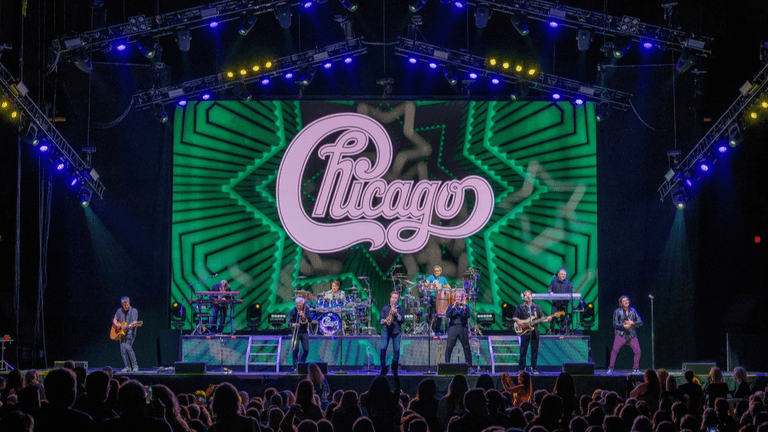
Coachella 2026 Wraps First Weekend with Star-Studded Performances and Viral Moments
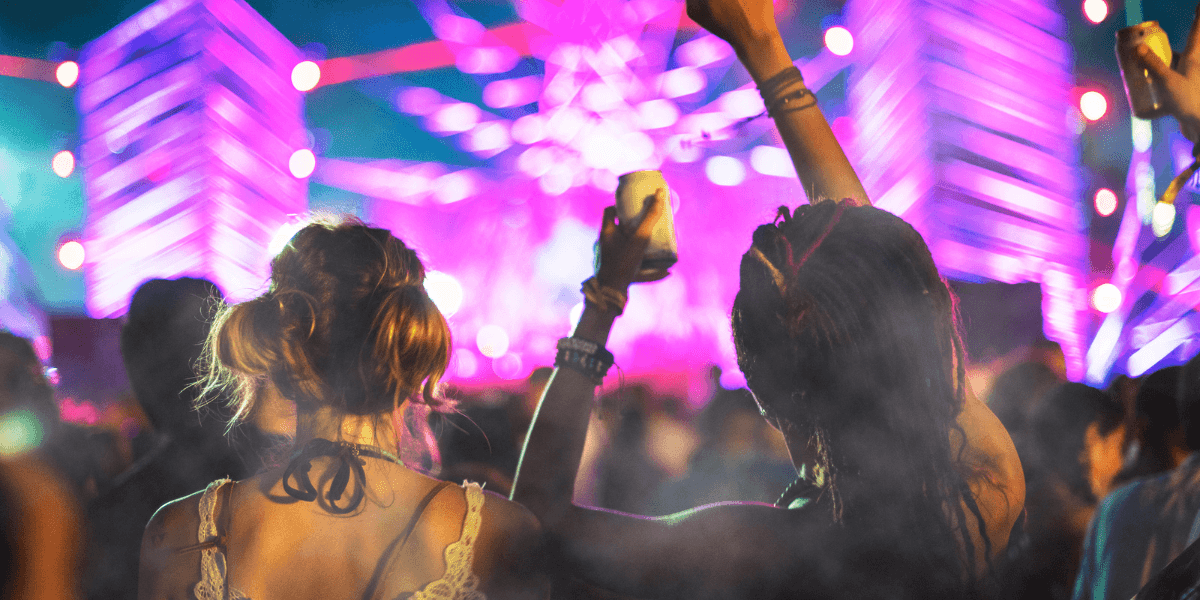
The first weekend of the Coachella Valley Music and Arts Festival 2026 concluded in Indio, delivering a high-energy showcase of music, celebrity appearances, and fashion moments that quickly dominated entertainment headlines. As one of the most influential annual events in the U.S. entertainment calendar, Coachella once again proved its cultural impact, blending live performances with viral social media buzz and celebrity-driven trends.
This year’s festival featured an eclectic lineup of global superstars and rising artists across genres, drawing tens of thousands of attendees and millions more watching through official livestreams. Headlining performances from Taylor Swift, Travis Scott, and Bad Bunny were among the most anticipated, each delivering distinct sets that reflected their evolving artistry.
Taylor Swift’s return to the Coachella stage marked one of the weekend’s defining moments. Her set featured a mix of reimagined classics and newer material, accompanied by elaborate visuals and choreography. Fans and critics alike highlighted her ability to create an intimate atmosphere despite the massive crowd, reinforcing her reputation as one of the most influential performers in modern pop music.
Meanwhile, Travis Scott’s performance leaned into high production value, incorporating immersive stage design and visual effects. His set drew significant attention online, particularly for surprise guest appearances that energized the audience and fueled real-time social media discussions. Similarly, Bad Bunny brought a global flair to the festival, blending reggaeton, trap, and Latin pop elements while celebrating his cultural roots through visuals and collaborations.
Beyond the headliners, the festival’s diverse lineup showcased emerging talent and genre-spanning acts. Performances from indie bands, electronic artists, and international musicians contributed to the event’s reputation as a platform for discovery. Industry observers noted that Coachella continues to influence music trends by spotlighting artists who often experience a surge in streaming and visibility following their appearances.
Celebrity sightings also played a major role in shaping the weekend’s narrative. High-profile attendees from film, television, and fashion industries were spotted throughout the festival grounds, contributing to its status as a convergence point for entertainment elites. Appearances by figures such as Zendaya and Timothée Chalamet generated widespread media coverage, particularly as fans tracked their outfits and interactions across social platforms.
Fashion remained a central component of Coachella’s identity, with attendees and celebrities alike embracing bold, expressive styles. This year’s trends included a resurgence of early-2000s aesthetics, metallic fabrics, and sustainable fashion choices. Designers and brands leveraged the festival as an informal runway, with looks often going viral within hours. Fashion analysts pointed out that Coachella continues to influence seasonal trends, particularly among younger audiences who look to the event for inspiration.
In addition to music and fashion, the festival emphasized experiential elements, including art installations and interactive exhibits. Large-scale sculptures and immersive displays provided visual landmarks across the venue, encouraging attendees to engage with the space beyond the performance stages. These installations not only enhanced the festival atmosphere but also served as popular backdrops for social media content, further amplifying Coachella’s digital reach.
From a broader perspective, the success of Coachella’s opening weekend underscores the resilience and continued growth of live entertainment in the United States. The event’s ability to attract top-tier talent, global audiences, and major brand partnerships highlights its role as a key driver of the entertainment economy. Analysts note that festivals like Coachella contribute significantly to tourism and local business activity, benefiting the surrounding region.
Key takeaways from this year’s event include the increasing importance of cross-platform engagement, as livestreams and social media extend the festival’s reach far beyond its physical location. Additionally, the blending of music, fashion, and celebrity culture reinforces the interconnected nature of modern entertainment. Artists are no longer defined solely by their music but by their overall cultural presence, which events like Coachella help amplify.
As the festival prepares for its second weekend, expectations remain high for additional surprises and standout performances. If the opening weekend is any indication, Coachella 2026 will continue to set the tone for entertainment trends throughout the year.
Overall, the April 20 conclusion of Coachella’s first weekend highlights its enduring influence as more than just a music festival, it is a cultural phenomenon that shapes conversations across music, fashion, and celebrity news, solidifying its place at the center of the entertainment industry.

Celeb Digest Contributor
Covers fashion and what is trending, from the runway to the moments the internet will not let go of.
This article features partner, contributor, or branded content from a third party. Members of the Celeb Digest editorial staff were not involved in the creation of this content. All views and opinions are those of the contributor alone.
Related Posts

Trending·October 2, 2026
Entertainment·October 14, 2026
Celebrity News·October 13, 2026