Entertainment Industry Sees Strong Momentum Across Film, Television, Music, and Celebrity Culture
The entertainment landscape in the United States continues to experience strong momentum across film, television, music, and celebrity-driven media, reflecting the industry’s increasingly interconnected global ecosystem. From large-scale film promotional cycles to evolving fashion narratives on the red carpet and the growing influence of media personalities, entertainment remains one of the most dynamic sectors shaping modern pop culture.
Film Promotions and Global Studio Campaigns Drive Visibility
Major film studios continue to rely on expansive promotional strategies to build anticipation for upcoming releases. These campaigns typically include international premieres, press tours, and coordinated media appearances designed to maximize global visibility. In recent cycles, film promotion has become a year-round process rather than a limited pre-release phase, with actors and filmmakers participating in multi-city engagements that span both domestic and international markets.
Industry patterns show that red carpet events remain a central component of this promotional ecosystem. These events not only highlight upcoming films but also serve as cultural touchpoints where fashion, celebrity branding, and entertainment journalism intersect. Photographs, interviews, and live coverage from such events are widely distributed across digital platforms, amplifying audience engagement far beyond traditional media outlets.
At the same time, studios are increasingly integrating digital-first strategies, including short-form video content and behind-the-scenes features, to maintain sustained interest in upcoming projects. This hybrid approach reflects a broader shift in how audiences consume entertainment content in an era dominated by streaming services and social media.
Streaming Platforms Continue to Shape Viewing Habits
Streaming services remain a dominant force in the entertainment industry, continuing to reshape how audiences access and engage with content. Original programming from major platforms has expanded significantly, with a focus on serialized storytelling, limited series formats, and high-budget film productions designed specifically for digital release.
This shift has also influenced the structure of promotional campaigns, with streaming platforms leveraging algorithm-driven recommendations and global release strategies. Unlike traditional theatrical distribution models, streaming allows content to reach simultaneous international audiences, creating immediate global conversations around new releases.
As competition among platforms intensifies, investment in exclusive content and celebrity-driven projects continues to rise. This has led to increased demand for established actors, emerging talent, and cross-platform collaborations that blend film, television, and digital media.
Celebrity Culture and Media Attention Remain Central
Celebrity culture continues to play a major role in shaping entertainment news cycles. Public appearances, interviews, and social media activity frequently generate widespread discussion, often extending beyond the entertainment industry into broader cultural conversations.
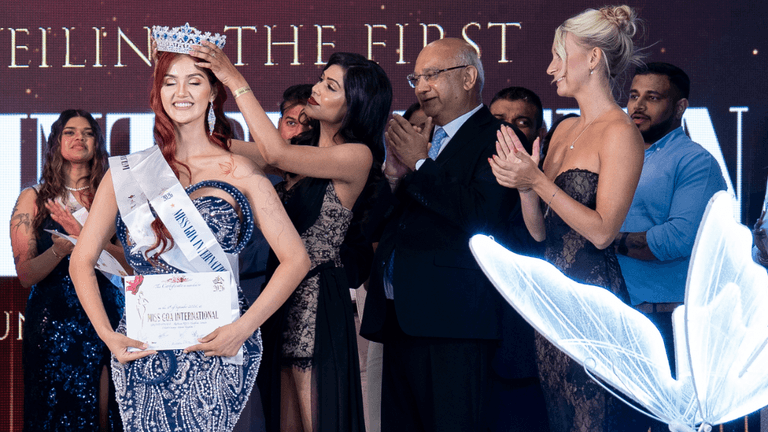
Red carpet fashion remains one of the most visible expressions of celebrity branding. Stylists, designers, and entertainment publicists collaborate closely to curate appearances that align with both personal identity and promotional strategy. These fashion moments are widely circulated online, contributing to ongoing discussions about style trends and cultural influence.
Additionally, celebrity relationships, collaborations, and on-screen chemistry often become focal points for media coverage. Even when tied to professional projects, these narratives can attract significant public interest, demonstrating the blurred boundaries between personal life and promotional storytelling in modern entertainment journalism.
Fashion Continues to Influence Entertainment Identity
Fashion remains deeply embedded in entertainment culture, particularly through film premieres, award ceremonies, and media appearances. Designers frequently use these platforms to showcase new collections, while celebrities use fashion as a form of visual storytelling that reinforces their public image.
Recent trends highlight a growing preference for bold, experimental designs that challenge traditional red carpet expectations. At the same time, classic silhouettes and minimalist aesthetics continue to maintain strong appeal, reflecting the diversity of personal style within the entertainment industry.
Fashion coverage now extends far beyond traditional magazines, with real-time commentary on social media platforms allowing audiences to participate directly in shaping trend narratives. This has created a more interactive and immediate fashion ecosystem where public perception evolves rapidly.
The Growing Influence of Media Personalities
Beyond actors and musicians, television hosts, journalists, and media personalities are increasingly recognized as influential figures within entertainment culture. Their roles now extend beyond traditional broadcasting, often encompassing brand partnerships, digital content creation, and cross-platform visibility.
This shift reflects a broader transformation in how influence is defined in the entertainment industry. Media figures are no longer limited to specific formats; instead, they operate across multiple channels, engaging audiences through television, streaming platforms, podcasts, and social media.
As a result, the line between journalist, entertainer, and public figure continues to blur, contributing to a more integrated entertainment ecosystem where visibility and audience engagement are key indicators of influence.
Music Industry Maintains Strong Cultural Impact
The music industry continues to evolve through digital distribution, live performances, and global collaboration. Artists now frequently release music through streaming-first strategies, often accompanied by visually driven content designed for online platforms.
Live performances, including tours and festival appearances, remain essential for audience connection and revenue generation. These events also serve as major cultural moments, often influencing fashion trends, social media discourse, and broader entertainment narratives.
Collaboration between artists across genres and regions has become increasingly common, reflecting the global nature of modern music consumption. This cross-cultural exchange continues to shape the sound and style of contemporary music.
Conclusion
The entertainment industry remains a fast-moving and highly interconnected ecosystem where film, television, music, fashion, and media converge. With evolving distribution models, increasing digital engagement, and expanding global audiences, entertainment continues to play a central role in shaping cultural trends and public discourse.
As studios, streaming platforms, celebrities, and media personalities adapt to new audience behaviors, the industry is expected to maintain its momentum, driven by innovation, collaboration, and the constant demand for fresh creative content.

Celeb Digest Contributor
Covers music and entertainment, following releases, screens, and the industry around them.
This article features partner, contributor, or branded content from a third party. Members of the Celeb Digest editorial staff were not involved in the creation of this content. All views and opinions are those of the contributor alone.
Related Posts
Entertainment·October 5, 2026
Entertainment·October 3, 2026
Entertainment·September 29, 2026

Entertainment·September 26, 2026