U.S. Entertainment Industry Enters Strong Summer Season Driven by Live Events, Streaming Growth, and Experiential Trends
The U.S. entertainment industry is entering a period of strong seasonal momentum, supported by rising attendance at live events, continued expansion of streaming platforms, and growing demand for immersive fan experiences. Across music, film, television, and broader pop culture sectors, current trends reflect a sustained appetite for entertainment consumption in both physical and digital formats.
Industry observers note that this period leading into the summer season is traditionally one of the most active times of the year. However, recent developments suggest that 2026 is shaping up to be particularly dynamic, with audiences engaging more frequently and more deeply with entertainment offerings than in previous cycles.
Live Entertainment Continues to Demonstrate Strong Demand
One of the clearest indicators of strength in the entertainment sector is the continued performance of live events. Concert tours, theater productions, comedy shows, and large-scale festivals across the United States are reporting high ticket demand, particularly in major metropolitan markets such as New York, Los Angeles, Chicago, and Miami.
Venues have increasingly noted that both general admission and premium seating tiers are selling at strong rates, with VIP packages and enhanced fan experiences becoming a significant revenue driver. This shift reflects a broader change in audience behavior, where attendees are willing to invest more for added value, comfort, and exclusivity.
At the same time, touring schedules have become more concentrated, with artists and production companies optimizing routing to accommodate demand while managing costs. Despite these logistical adjustments, overall attendance levels remain strong, indicating that live entertainment continues to be one of the most resilient segments of the industry.
Experiential Entertainment Becomes a Defining Trend
A major development shaping the current entertainment landscape is the rapid rise of experiential entertainment. Rather than focusing solely on traditional performances, organizers are increasingly designing events that emphasize immersion, interaction, and emotional engagement.
These experiences can include hybrid concert formats, themed dining events paired with live performance, interactive art installations, and pop-up cultural activations. The goal is to create environments where audiences are not just spectators but active participants in the entertainment experience.
This shift is being driven by changing consumer expectations, particularly among younger audiences who value shareable, personalized, and socially engaging experiences. As a result, entertainment companies are investing more heavily in production design, storytelling elements, and cross-disciplinary collaboration.
Major entertainment hubs are leading this trend, but mid-sized cities are also seeing growth as touring productions and festival organizers expand into new markets. The result is a more geographically diverse entertainment ecosystem than in previous years.
Streaming Platforms Continue Expanding Content Strategies
Digital entertainment consumption remains a central pillar of the industry, with streaming platforms continuing to compete through content expansion and innovation. Services are increasingly focused on diversifying their offerings to appeal to segmented audiences, including genre-specific programming, international content, and short-form series formats.
A notable trend is the growing integration of multiple content formats within a single platform. In addition to traditional films and episodic television, platforms are incorporating live broadcasts, behind-the-scenes features, and interactive viewer experiences.
Audience behavior is also evolving, with viewers spreading their consumption across multiple services rather than relying on a single dominant platform. This fragmentation has encouraged companies to refine their strategies, focusing on niche audiences and targeted content development.
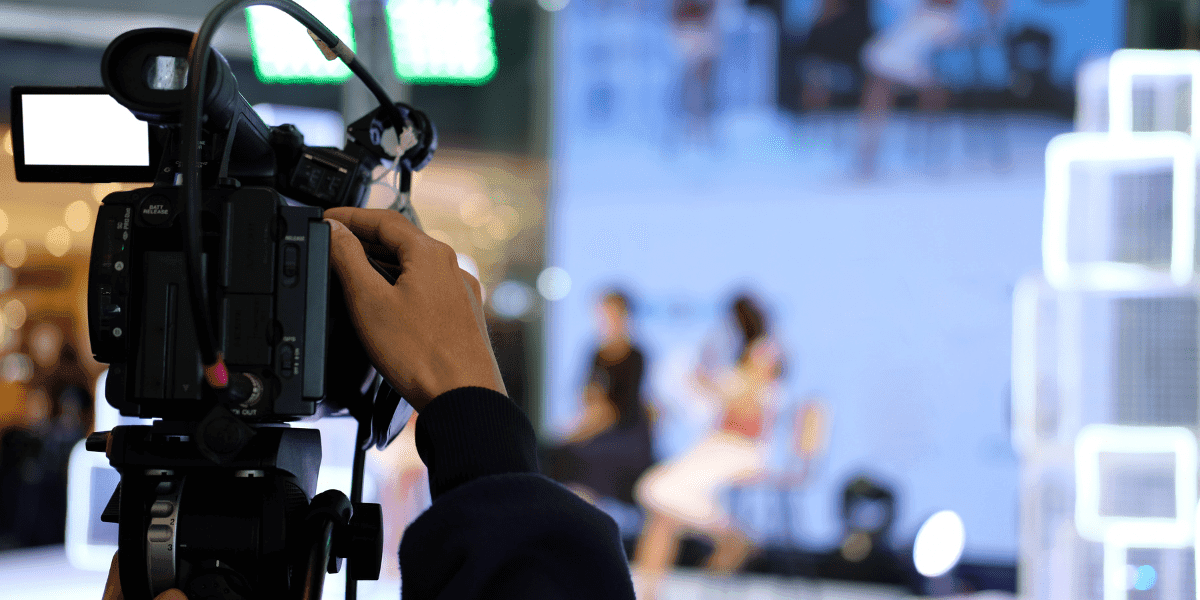
Streaming platforms are also exploring deeper integration with live entertainment, including concert broadcasts, virtual premieres, and hybrid events that combine physical and digital participation. This convergence reflects the industry’s broader shift toward real-time engagement and interactive storytelling.
Fashion and Celebrity Culture Maintain Strong Influence
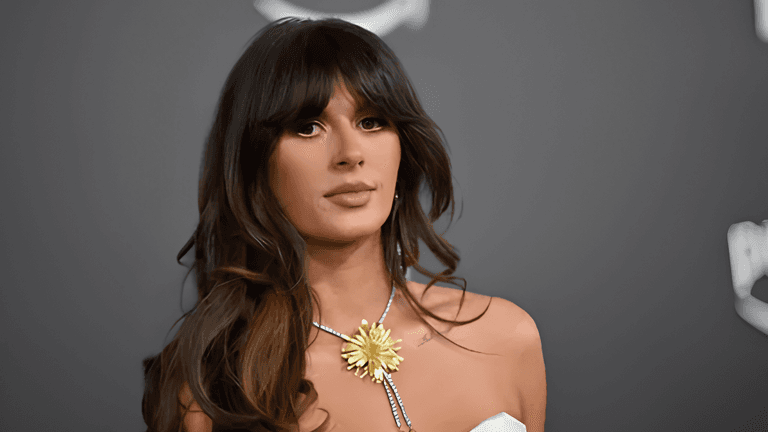
Fashion and celebrity-driven media continue to play a significant role in shaping entertainment trends. Public appearances, brand partnerships, and digital campaigns remain key drivers of visibility for both entertainers and fashion houses.
Collaborations between celebrities and global brands have become increasingly integrated into entertainment marketing strategies, often extending beyond traditional advertising into narrative-driven campaigns. These collaborations are frequently amplified through social media platforms, where short-form content and influencer engagement play a major role in audience reach.
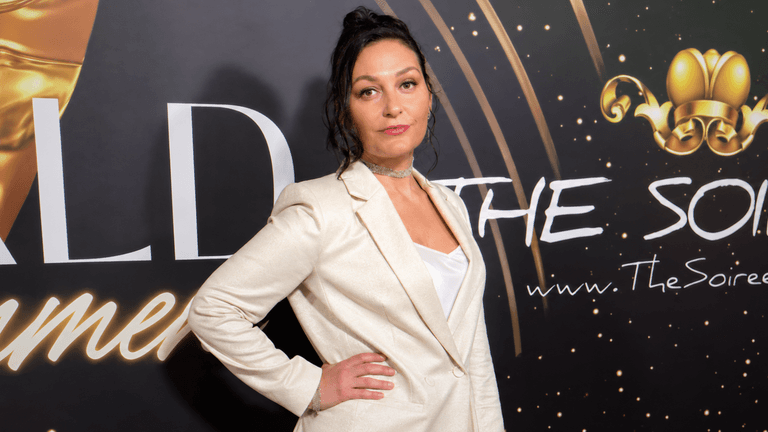
The relationship between fashion and entertainment has become more fluid, with red carpet appearances, music releases, and film promotions often overlapping with branded fashion moments. This interconnected ecosystem continues to shape public perception and cultural trends.
Festivals and Seasonal Events Drive Cultural Activity
As the entertainment calendar moves deeper into peak season, festivals and large-scale cultural events are preparing for increased attendance. Music festivals, film showcases, food and culture events, and outdoor performance series are expected to draw significant crowds across the country.
Organizers report strong advance engagement, particularly for multi-genre festivals that combine music, art, food, and interactive experiences. These events are increasingly designed as full-day or multi-day experiences, encouraging longer attendance and deeper audience participation.
Sustainability and accessibility have also become key priorities for event planners, with many festivals incorporating eco-friendly production practices and improved access for diverse audiences. These considerations reflect broader shifts in how large-scale events are planned and executed.
A Positive Industry Outlook Driven by Innovation
Overall, the entertainment industry is experiencing a period of growth characterized by innovation, diversification, and strong consumer demand. While each segment faces its own operational challenges, the broader trajectory remains positive.
Live entertainment continues to expand through hybrid formats and premium experiences. Streaming platforms are evolving into multi-format content ecosystems. Fashion and celebrity culture maintain strong cross-industry influence. Meanwhile, festivals and seasonal events are reinforcing the importance of shared cultural experiences.
Rather than returning to previous models, the industry is increasingly defined by transformation. Entertainment is becoming more integrated across physical, digital, and experiential channels, offering audiences a wider range of ways to engage.
Conclusion
The current entertainment landscape reflects a sector in active evolution, supported by strong audience participation and ongoing creative experimentation. As summer approaches, the industry is positioned for continued growth across live events, streaming services, and experiential formats.
This convergence of trends highlights a broader shift in how entertainment is produced and consumed one that prioritizes engagement, flexibility, and immersive experiences, shaping the future of popular culture.

Celeb Digest Contributor
Covers music and entertainment, following releases, screens, and the industry around them.
This article features partner, contributor, or branded content from a third party. Members of the Celeb Digest editorial staff were not involved in the creation of this content. All views and opinions are those of the contributor alone.