Entertainment Industry Shifts as Streaming Festivals and Celebrity Culture Reshape Media Consumption
The entertainment industry in the United States is currently undergoing a significant transformation shaped by streaming competition, evolving celebrity culture, and the continued global influence of film festivals and live events. Across film, television, music, and digital media, creators and studios are adapting to a rapidly changing landscape where audience attention is fragmented, international, and increasingly driven by social platforms rather than traditional gatekeepers.
One of the most defining forces in the current entertainment environment is the continued dominance of streaming platforms. Major studios and media companies are prioritizing digital-first distribution strategies, often releasing content simultaneously across multiple platforms or tailoring productions specifically for streaming audiences. This shift has changed how projects are financed, marketed, and consumed. Instead of relying primarily on box office performance or weekly television ratings, success is now measured through engagement metrics, subscriber growth, and global reach.
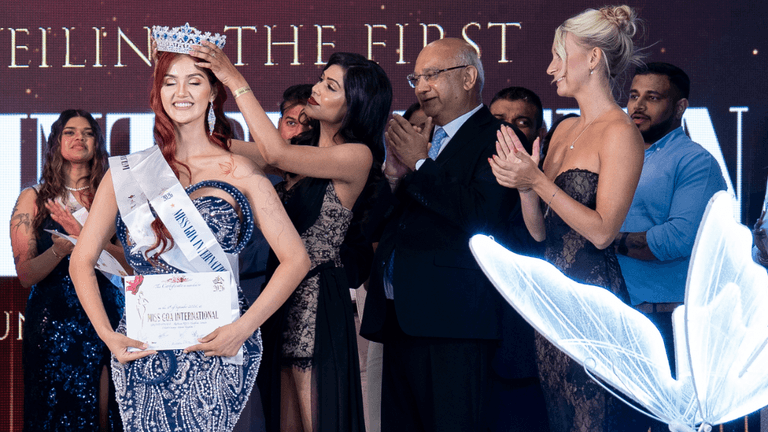
At the same time, traditional film festivals remain powerful cultural engines within the industry. Events such as Cannes, Venice, and Toronto continue to function as premier launchpads for major films, awards contenders, and international co-productions. These festivals are no longer just industry gatherings but global media spectacles, where fashion, celebrity appearances, and film promotion intersect. The red carpet has become as influential as the screenings themselves, shaping public perception and generating viral moments that circulate across digital platforms within minutes.
Television, particularly broadcast and late-night formats, is also experiencing a period of restructuring. Long-running programs are adapting to shifting viewer habits, with audiences increasingly favoring on-demand content over scheduled programming. Late-night shows, once central to American pop culture, now compete with short-form digital content, podcasts, and social media commentary. As a result, networks are experimenting with format changes, guest strategies, and hybrid digital extensions designed to maintain relevance in a fragmented media ecosystem.
Celebrity culture continues to evolve in parallel with these industry changes. Public figures are no longer defined solely by film or television appearances but by their presence across multiple digital channels. Social media platforms have amplified direct engagement between celebrities and audiences, allowing personalities to build brands that extend far beyond traditional entertainment roles. This has also contributed to the rise of crossover careers, where actors, musicians, and influencers move fluidly between industries such as fashion, wellness, business ventures, and production.
Fashion remains a critical component of the entertainment ecosystem. Red carpet appearances at premieres, award ceremonies, and festivals generate global media coverage and often influence mainstream fashion trends. Designers and luxury brands collaborate closely with stylists and celebrities to create looks that are designed not only for live events but also for instant online circulation. In many cases, a single red carpet moment can generate more visibility than an entire promotional campaign, demonstrating the increasing importance of visual media in shaping public discourse.
The music industry is also adapting to these broader shifts, with streaming services continuing to dominate consumption patterns. Touring remains a major revenue driver for artists, particularly as live performances regain prominence following years of fluctuating global event schedules. At the same time, digital platforms have enabled emerging artists to reach international audiences without traditional label backing, creating a more decentralized and competitive musical landscape. Collaborations across genres and regions have become increasingly common, reflecting the global nature of modern music consumption.
Another emerging factor influencing entertainment is the integration of new technologies into production and distribution. Advanced visual effects, virtual production techniques, and AI-assisted tools are reshaping how content is created. While these innovations offer new creative possibilities, they also raise ongoing discussions within the industry about labor practices, creative ownership, and the future role of human talent in entertainment production.
Overall, the current entertainment landscape reflects a convergence of traditional media structures and modern digital innovation. Film festivals continue to provide prestige and global exposure, streaming platforms dominate distribution, and celebrity influence spans across multiple industries and platforms simultaneously. Audiences are more connected yet more divided in their consumption habits, leading to an industry that must constantly adapt to remain relevant.
The key takeaway from this evolving environment is that entertainment is no longer confined to a single medium or schedule. Instead, it functions as a continuous, global ecosystem where film, television, music, fashion, and digital media intersect. Success is increasingly defined by adaptability, cross-platform presence, and the ability to engage audiences in real time across a wide range of channels.

Celeb Digest Contributor
Covers music and entertainment, following releases, screens, and the industry around them.
This article features partner, contributor, or branded content from a third party. Members of the Celeb Digest editorial staff were not involved in the creation of this content. All views and opinions are those of the contributor alone.
Related Posts
Entertainment·October 5, 2026
Entertainment·October 3, 2026
Entertainment·September 29, 2026
Entertainment·September 26, 2026