
U.S. Television Industry Experiences Major Programming Shakeup Amid Widespread Cancellations
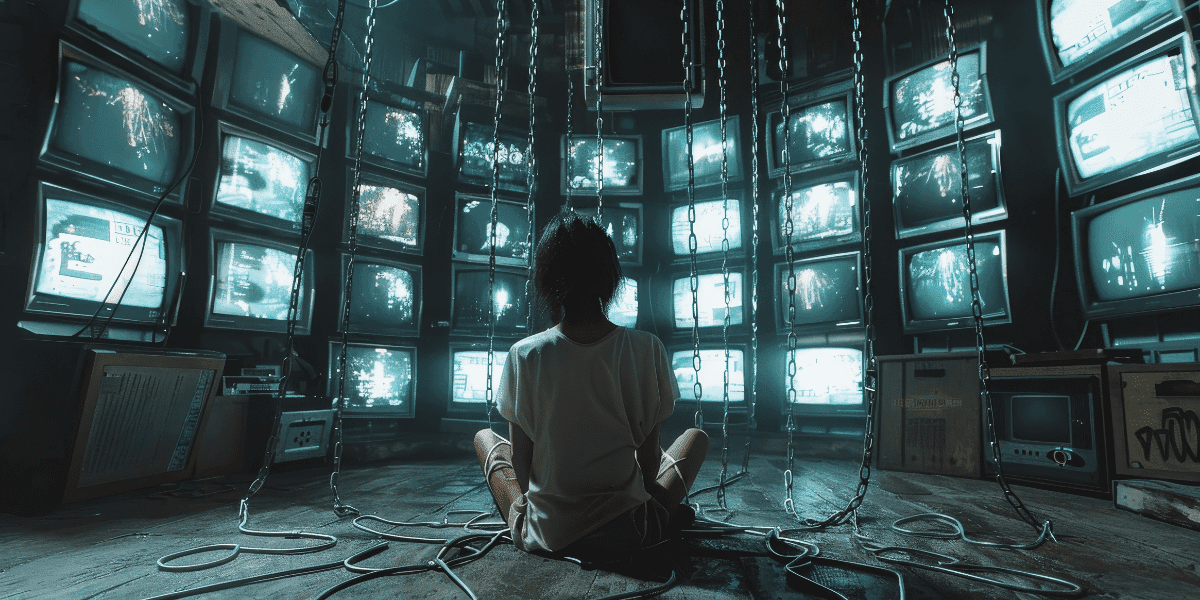
A significant shift is underway in the American television landscape as broadcast networks and streaming platforms continue to cancel a wide range of shows in 2026. The wave of cancellations, spanning long-running franchises, newer scripted series, and daytime staples, reflects changing viewer habits, rising production costs, and ongoing strategic realignments across the entertainment industry. The trend has sparked widespread discussion among audiences and professionals about the future of traditional television programming in the United States.
Across major U.S. networks more than a dozen shows have been officially discontinued this year affecting both established titles and newer entries. Long-running series that once formed the backbone of network schedules have reached their conclusions while several newer programs have struggled to secure consistent ratings or audience engagement. Industry observers note that the cancellations reflect a broader recalibration of content strategies as networks attempt to balance financial pressures with evolving consumer demand.
Among the most notable endings are established franchise entries such as procedural dramas and spin-offs that had maintained loyal audiences over multiple seasons. At the same time several newly launched scripted series were unable to extend beyond their initial seasons. Even rebooted properties based on nostalgic intellectual property have faced challenges suggesting that brand recognition alone is no longer sufficient to guarantee longevity in a crowded media environment.
Daytime television has been particularly affected by the ongoing changes. Multiple talk and variety programs have been discontinued including several long-running syndicated shows that once held strong daytime ratings. A prominent daytime entertainment program known for its celebrity interviews and music performances is also concluding its run signaling a broader shift in how audiences consume daytime content. Analysts point to the rapid migration of viewers toward streaming platforms and digital short-form content as a key factor behind these decisions.
Public broadcasting has also experienced restructuring with certain weekend news and entertainment programs ending as part of broader budgetary adjustments. Meanwhile long-established syndicated entertainment news programs are concluding after decades on air as parent companies streamline operations and redirect resources toward digital-first initiatives. These developments underscore the financial and strategic pressures facing traditional broadcast formats.
Industry analysts emphasize that the current wave of cancellations is not solely driven by declining ratings but also by structural changes in the entertainment ecosystem. Streaming platforms continue to prioritize limited series international productions and franchise expansions while traditional networks are reducing their reliance on high-cost long-running scripted shows. This shift reflects an industry-wide effort to optimize production budgets while competing in a fragmented global content market.
The impact of these cancellations extends beyond programming schedules. Each discontinued series affects a wide range of professionals including writers, production crews, actors and post-production teams. The cumulative effect has been particularly noticeable in major production hubs where television production plays a central economic role. Despite these disruptions industry insiders suggest that the restructuring may create opportunities for new formats and experimental storytelling approaches.
Viewer reactions have been mixed. While some audiences express disappointment over the loss of familiar programs, others acknowledge that rapid content turnover has become a defining feature of modern television. Online discussions reflect an understanding that cancellation does not always signal failure but may instead represent shifting strategic priorities within media companies.
Looking ahead analysts expect continued adjustments in programming strategies as networks prepare future content lineups. The emphasis is likely to remain on cost efficiency, global reach and integration with streaming platforms. Although uncertainty persists the ongoing transformation signals a clear departure from traditional television models toward a more flexible and digitally driven entertainment ecosystem.
Overall the evolving television landscape highlights a period of rapid transformation driven by technological change and shifting audience behavior. While the reduction in traditional programming may signal uncertainty it also opens pathways for innovation in storytelling distribution and audience engagement across multiple platforms. As networks and creators adapt to new consumption patterns the industry is expected to continue reshaping its identity in the years ahead.

Celeb Digest Contributor
Covers music and entertainment, following releases, screens, and the industry around them.
This article features partner, contributor, or branded content from a third party. Members of the Celeb Digest editorial staff were not involved in the creation of this content. All views and opinions are those of the contributor alone.
Related Posts

Entertainment·September 29, 2026

Entertainment·September 26, 2026

Entertainment·September 21, 2026