Major Film Premieres and Festival Buzz Highlight U.S. Entertainment Scene
The U.S. entertainment industry experienced a surge of activity as major film premieres, festival announcements, and celebrity appearances captured widespread attention. From high-profile red carpets in Hollywood to new releases on streaming platforms, the current entertainment landscape continues to demonstrate both strong audience demand and ongoing industry adaptation in a rapidly evolving media environment.
One of the most notable highlights was the wide theatrical release of several highly anticipated films, marking a strong spring box office weekend. Studios rolled out a mix of franchise installments and original productions, appealing to a broad audience base. Early indicators pointed to solid ticket sales, particularly in major metropolitan areas such as Los Angeles, New York, and Chicago. The performance of these releases reflects a growing balance between familiarity and innovation, as audiences continue to embrace both established stories and fresh narratives.
The return of steady theater attendance also signals renewed confidence in the cinematic experience. While streaming platforms have become a dominant force in recent years, theaters continue to offer a unique appeal through immersive viewing and shared audience engagement. The strong turnout suggests that moviegoing remains a vital component of entertainment culture in the United States, even as viewing habits continue to diversify.
At the same time, streaming services contributed significantly to the broader entertainment momentum. Several leading platforms premiered original films and series, many featuring prominent actors and creative teams. These releases were strategically timed to maximize viewership and online engagement. The continued success of streaming debuts highlights the industry’s hybrid distribution model, where theatrical and digital platforms coexist and complement one another rather than compete directly.
In parallel with these releases, anticipation continues to build around upcoming entertainment events, particularly film festivals scheduled later in the year. Organizers have revealed new programming details that emphasize a diverse range of voices, including independent filmmakers and emerging talent. These festivals remain an important platform for storytelling and discovery, often serving as a launchpad for critically acclaimed projects and future award contenders.
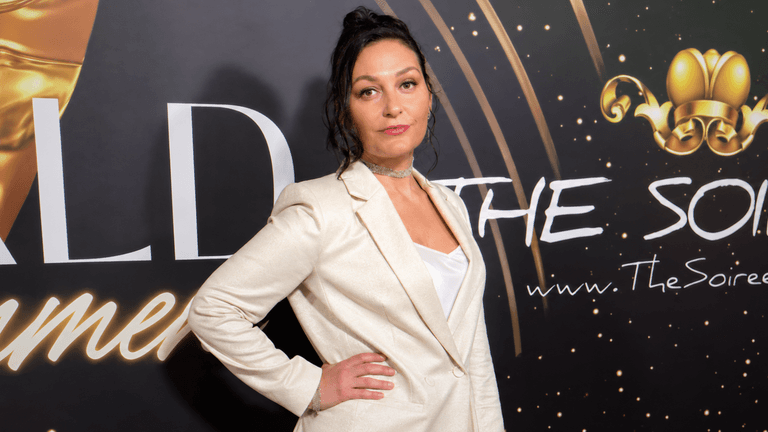
Celebrity presence also played a key role in shaping the entertainment landscape. Actors, directors, and musicians attended premieres and participated in promotional activities, drawing attention from fans and media alike. Social media platforms amplified these appearances, allowing celebrities to connect directly with audiences and build anticipation for upcoming projects. This level of engagement has become a central component of modern entertainment marketing, where digital visibility can significantly influence a project’s success.
Fashion added another dimension to the entertainment scene, particularly on red carpets where celebrities showcased a variety of standout looks. Designers used these moments to highlight new collections, blending classic aesthetics with contemporary trends. There was also a noticeable emphasis on sustainability and innovative materials, reflecting broader changes within the fashion industry. These style moments not only generated public interest but also helped shape upcoming fashion trends.
Music releases further energized the entertainment environment, with several artists debuting new singles and albums. Coordinating releases with major entertainment events has become a common strategy to maximize exposure and audience reach. In addition, teasers for upcoming tours and live performances contributed to growing excitement, reinforcing the strong connection between recorded music and live entertainment experiences.
The significance of this period in entertainment lies in the convergence of multiple industries working simultaneously to capture audience attention. Rather than being defined by a single event, the current landscape reflects an interconnected ecosystem where film, television, music, fashion, and live events continuously influence one another.
For audiences, this convergence offers more choices than ever before. Whether attending theaters, streaming content at home, or engaging with celebrity and music updates online, consumers have multiple ways to experience entertainment. This accessibility has raised expectations for quality and creativity, encouraging studios and artists to innovate across all platforms.
For industry professionals, the evolving landscape underscores the importance of adaptability. Success increasingly depends on the ability to navigate both traditional and digital distribution channels while maintaining strong audience engagement. The blending of in-person and online experiences has become a defining feature of modern entertainment strategy.
In conclusion, the current U.S. entertainment scene reflects a dynamic and resilient industry. With strong film releases, impactful streaming content, vibrant celebrity culture, and influential developments in fashion and music, the sector continues to evolve while maintaining its central role in shaping popular culture.

Celeb Digest Contributor
Covers music and entertainment, following releases, screens, and the industry around them.
This article features partner, contributor, or branded content from a third party. Members of the Celeb Digest editorial staff were not involved in the creation of this content. All views and opinions are those of the contributor alone.
Related Posts
Entertainment·September 29, 2026
Entertainment·September 26, 2026
Entertainment·September 21, 2026
Celebrity News·October 1, 2026