Hollywood Lights Up Across the U.S. with Celebrity Appearances, Streaming Releases, and Industry Events
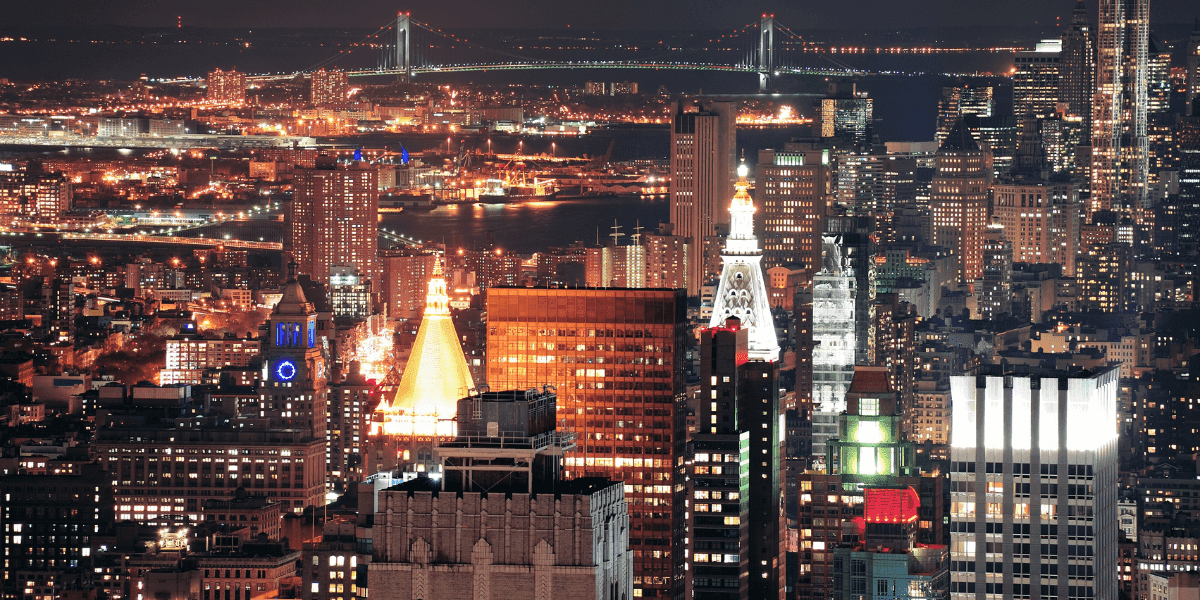
The U.S. entertainment industry saw a busy and highly visible day, marked by major celebrity appearances, film industry gatherings, streaming platform updates, and ongoing promotional events across major cities. From Las Vegas to New York and Los Angeles, the day reflected how Hollywood continues to blend traditional film culture with modern streaming and digital entertainment trends.
One of the central industry events concluding was CinemaCon 2026 in Las Vegas, an annual gathering of film studio executives and theater owners. The event serves as a major showcase for upcoming theatrical releases and often includes exclusive previews, studio presentations, and discussions about the future of cinema. The final day of the convention continued its focus on strengthening theatrical moviegoing, with studios highlighting upcoming projects and exhibitors discussing new technologies aimed at enhancing the cinema experience.
CinemaCon’s closing moments emphasized the ongoing effort by the film industry to keep theaters relevant in an entertainment landscape increasingly dominated by streaming platforms. Executives continued to position theatrical releases as premium cultural events, while also acknowledging changing audience habits and evolving viewing preferences.
At the same time, streaming platforms maintained strong visibility in the entertainment cycle. Major services rolled out new April content lineups featuring a mix of original series, returning shows, films, and live programming. This reflects a broader strategy across the streaming industry to combine scripted entertainment with reality content, sports, and documentaries in order to sustain audience engagement throughout the month.
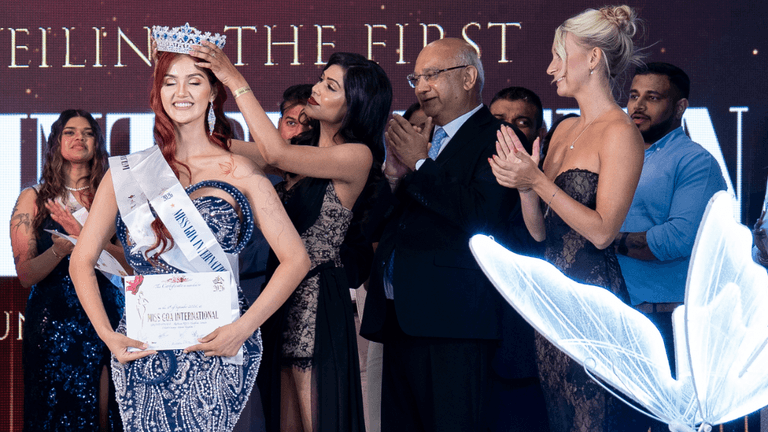
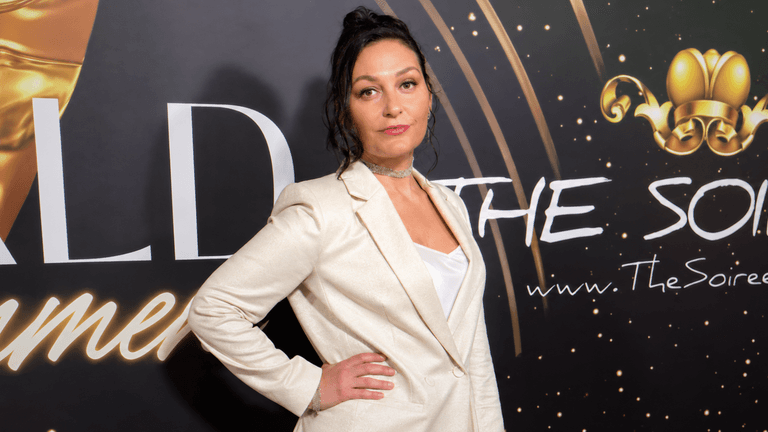
Across major entertainment hubs like New York City and Los Angeles, celebrity appearances added to the day’s cultural buzz. Public figures from film, television, and music attended talk show tapings, Broadway events, and promotional appearances tied to ongoing projects. These events highlighted the continued importance of in-person visibility in building celebrity brands, even in an era dominated by digital media.
Fashion also played a prominent role in the day’s entertainment coverage, with celebrities using appearances to showcase evolving personal styles and align with seasonal trends. Red carpet events and media circuits continued to function as key spaces where entertainment and fashion intersect, driving online conversation and media attention.
In addition to traditional media appearances, celebrity engagement through direct-to-fan platforms also remained a growing trend. Some entertainers continued exploring subscription-based platforms to connect more directly with audiences, reflecting a broader shift in how public figures manage content distribution and personal branding outside traditional studio systems.
Live entertainment remained active as well, with ongoing festivals, theater performances, and cultural events contributing to the broader entertainment landscape. These gatherings continue to support regional arts scenes while also serving as important drivers of tourism and local economic activity.
Overall, the day highlighted the fast-moving and interconnected nature of the modern entertainment industry. Film studios, streaming platforms, and celebrities all operated within a shared ecosystem where visibility, timing, and cross-platform presence are essential.
The day reflected a broader industry reality: entertainment is no longer confined to theaters or television alone, but instead spans live events, streaming platforms, social media, and global fan engagement simultaneously. As the industry moves deeper into 2026, this blended structure continues to define how audiences consume celebrity news and entertainment content.

Celeb Digest Contributor
Covers music and entertainment, following releases, screens, and the industry around them.
This article features partner, contributor, or branded content from a third party. Members of the Celeb Digest editorial staff were not involved in the creation of this content. All views and opinions are those of the contributor alone.
Related Posts
Entertainment·September 29, 2026
Entertainment·September 26, 2026
Entertainment·September 21, 2026
Trending·October 2, 2026