
Streaming Wars Intensify as Platforms Unveil New Wave of Summer 2026 Entertainment Content
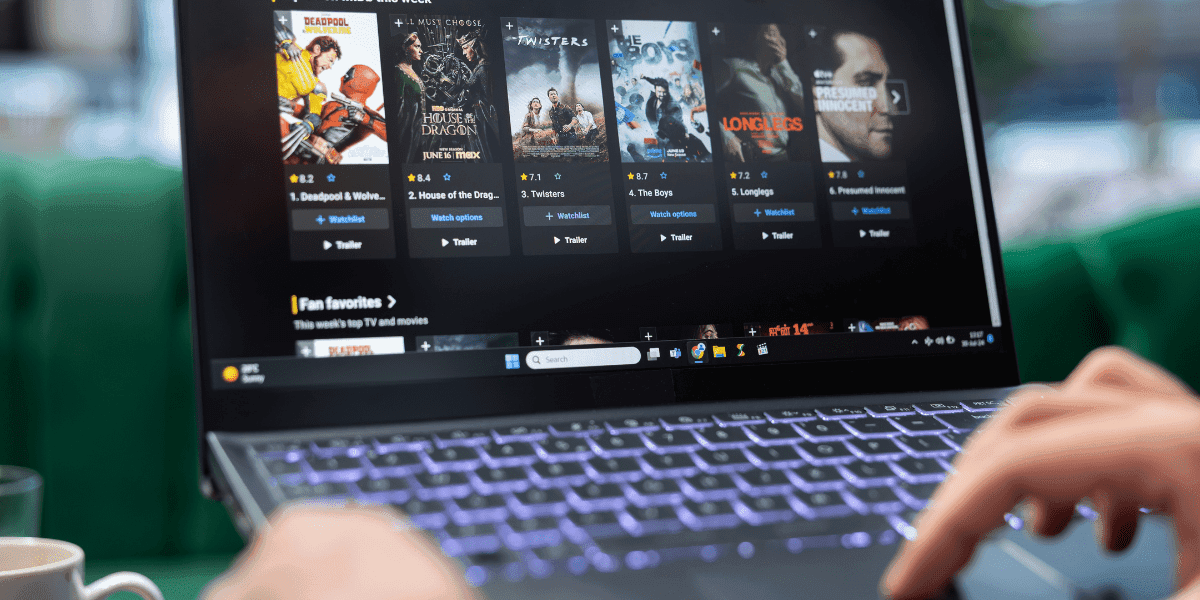
On April 23, 2026, streaming platforms were once again at the center of entertainment industry discussions as companies rolled out their upcoming summer content strategies, signaling another competitive push in the global digital media space.
Across major services, new announcements highlight a continued focus on original programming, franchise expansion, and cross-format storytelling. Rather than relying solely on traditional film or television release patterns, platforms are increasingly structuring their schedules around frequent, high-impact content drops designed to keep audiences engaged throughout the year.
A noticeable trend in this latest wave of programming is the growing blend of entertainment formats. New releases are no longer limited to standard movies or episodic series. Instead, many upcoming titles integrate documentary storytelling, cinematic productions, and music-centered narratives. This reflects how streaming platforms are evolving into all-in-one entertainment ecosystems, where film, television, and music content often intersect.
Music-driven projects, in particular, continue to gain momentum. Several upcoming releases are expected to feature collaborations with well-known artists, focusing on concert films, creative documentaries, and behind-the-scenes explorations of album production. This format has become increasingly popular as audiences look for more personal and immersive storytelling experiences connected to their favorite performers.
At the same time, platforms are refining how they deliver content to users. Subscription models are becoming more flexible, with tiered options that include ad-supported and premium viewing experiences. This approach is designed to give audiences more control over pricing and access while helping platforms remain competitive in a crowded market.
Another key development shaping the trend is the continued expansion of international content. Streaming services are investing heavily in productions outside the United States, with more shows and films being developed in regions such as Asia, Latin America, and Europe. This global strategy is helping platforms reach new audiences while introducing more culturally diverse storytelling to mainstream viewers.
Technology is also playing a major role in shaping the streaming experience. Improved recommendation systems, higher-quality video delivery, and more personalized viewing interfaces are becoming standard features. Some platforms are also testing early-stage tools that use artificial intelligence to enhance content discovery and production workflows, although these remain in development stages.
Industry competition remains intense, with platforms competing not only for subscribers but also for exclusive content rights and cultural influence. As a result, partnerships between streaming services and traditional studios are becoming more common, allowing for shared production costs and wider distribution opportunities.
For viewers, the result is a packed entertainment landscape heading into the summer season. From blockbuster film releases to experimental series and music-focused storytelling projects, audiences can expect a wide variety of content designed to appeal to global tastes.
Overall, the latest streaming developments reflect a broader shift in entertainment consumption. The industry is moving toward a more integrated, flexible, and globally connected model, where storytelling is no longer confined to a single format or platform.

Celeb Digest Contributor
Covers music and entertainment, following releases, screens, and the industry around them.
This article features partner, contributor, or branded content from a third party. Members of the Celeb Digest editorial staff were not involved in the creation of this content. All views and opinions are those of the contributor alone.
Related Posts

Entertainment·September 29, 2026

Entertainment·September 26, 2026

Entertainment·September 21, 2026

Trending·October 2, 2026