Spring Music Surge Brings Major U.S. Tour Announcements, Festival Buzz, and Streaming Growth

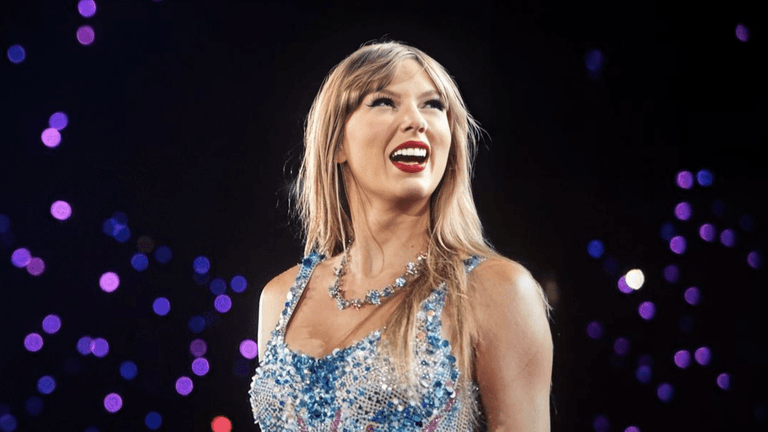
Across the United States, the music industry is experiencing a strong seasonal surge driven by the start of spring touring schedules, renewed festival activity, and shifting listener habits on major streaming platforms. This period has traditionally marked one of the busiest times of the year for live entertainment, and recent weeks have reflected a clear rebound in large-scale concerts, arena tours, and outdoor music events as audiences return to in-person experiences in greater numbers.
The combination of live performances and digital streaming growth is shaping a dynamic moment for the industry, with artists, promoters, and platforms adapting to evolving audience expectations. From major venue bookings to curated playlists and fan-driven engagement online, the music landscape is undergoing a period of heightened activity and visibility.
Touring Season Gains Momentum Across Major U.S. Cities
Spring has long been considered the unofficial start of the major touring season in the United States, as artists schedule arena and stadium performances ahead of the summer festival circuit. This year, the trend has been particularly pronounced, with a wide range of performers across pop, hip-hop, country, and alternative genres launching national tours or expanding existing schedules.
Large venues in cities such as Los Angeles, New York, Chicago, Dallas, and Atlanta have reported increased booking activity, with many shows selling out rapidly due to strong fan demand. Industry promoters note that audiences are increasingly prioritizing live experiences, especially after several years in which touring patterns were disrupted and gradually rebuilt.
In addition to established headliners, emerging artists are also benefiting from the renewed focus on live performances. Smaller venues and mid-sized theaters have seen increased attendance, suggesting that audiences are exploring both mainstream and independent music offerings more actively.
Festival Season Expands with Diverse Lineups
Alongside touring activity, the spring period also marks the beginning of the U.S. music festival season. Outdoor festivals across the country are preparing for multi-genre lineups that reflect a broader range of musical tastes and cultural influences.
Festival organizers have increasingly focused on diversity in programming, blending mainstream chart artists with independent performers, regional acts, and international talent. This approach reflects changing audience expectations, with fans seeking more varied and immersive experiences beyond traditional headliner-driven events.
Sustainability and production design have also become key considerations for festival planners. Many events are incorporating environmentally conscious infrastructure, including reduced single-use plastics, improved waste management systems, and energy-efficient staging. These efforts align with broader entertainment industry trends that emphasize environmental responsibility without compromising large-scale production quality.
Streaming Platforms Drive Seasonal Listening Trends
While live music is experiencing strong momentum, digital streaming platforms continue to play a central role in shaping music discovery and consumption in the United States. Seasonal listening trends show increased engagement with curated playlists designed to match spring themes, including upbeat pop selections, outdoor activity soundtracks, and mood-based listening categories.
Streaming services are also leveraging algorithm-driven recommendations to highlight new releases from both established and emerging artists. These personalized discovery tools have become a key driver of visibility for musicians, particularly those seeking to break into competitive mainstream markets.
Industry analysts note that streaming continues to influence how music is marketed and released. Instead of relying solely on traditional album cycles, many artists now release singles or staggered project drops designed to maintain consistent engagement over time. This strategy aligns with listener behavior, which increasingly favors playlist-based listening over full-album consumption.
Social Media and Fan Engagement Shape Music Promotion
Social media platforms remain a major force in music promotion and fan engagement. Short-form video content, live-streamed performances, and behind-the-scenes clips have become essential tools for artists looking to connect with audiences in real time.
Viral trends continue to play a significant role in boosting song popularity, often propelling older tracks back into streaming charts or giving new releases rapid exposure. This dynamic has reshaped traditional promotional timelines, allowing songs to gain traction organically through user-generated content.
Artists and record labels are also investing more heavily in direct fan engagement strategies, including interactive livestreams, exclusive online communities, and early access content. These approaches help build stronger connections between performers and audiences while expanding promotional reach beyond traditional media outlets.
Industry Adaptation and Evolving Audience Expectations
The current music landscape reflects a broader shift in how audiences consume entertainment. Fans increasingly expect seamless integration between live performances, digital content, and social interaction. As a result, the industry is adapting by creating hybrid experiences that extend beyond concerts and recordings.
Many tours now incorporate multimedia elements, enhanced stage production, and interactive features designed to deepen audience immersion. Similarly, streaming platforms and social media channels are being used not just for distribution, but as extensions of the artistic experience itself.
At the same time, accessibility remains a key consideration. Rising ticket demand has prompted discussions around pricing structures and availability, while streaming platforms continue to emphasize global accessibility for new releases.
A Dynamic Moment for U.S. Music Culture
Taken together, the current surge in touring, festival preparation, and streaming engagement reflects a highly active and evolving period for the U.S. music industry. Artists are navigating a landscape where live performance and digital presence are equally important, and audiences are engaging with music in more diverse and interactive ways than ever before.
As the season continues, the momentum is expected to build further, with additional tour announcements, festival expansions, and digital releases shaping the cultural rhythm of the months ahead.

Celeb Digest Contributor
Covers music and entertainment, following releases, screens, and the industry around them.
This article features partner, contributor, or branded content from a third party. Members of the Celeb Digest editorial staff were not involved in the creation of this content. All views and opinions are those of the contributor alone.
Related Posts

Entertainment·October 14, 2026
Celebrity News·October 13, 2026