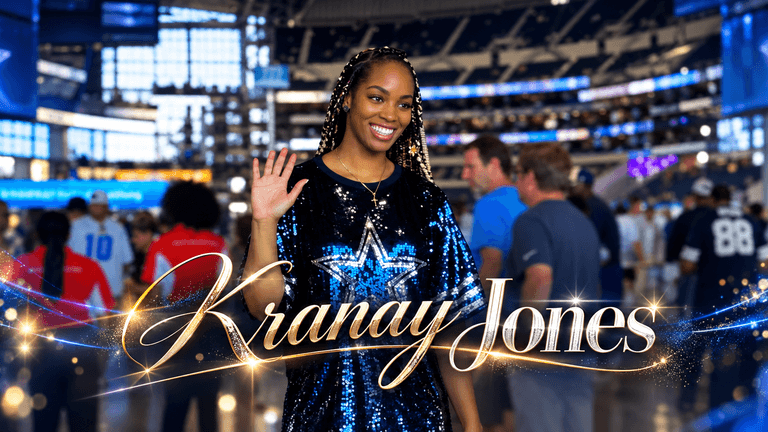
CMA Fest 2026 Brings Country Music Celebration to Nashville
Nashville transforms into the heart of the country music world as one of its most anticipated annual celebrations returns, drawing fans, artists, and industry figures together for a multi-day showcase of live performances and cultural events. The festival has long been regarded as a defining moment in the country music calendar, offering an immersive experience that blends stadium concerts, intimate showcases, and fan-centered activities across downtown venues. Its return reinforces Nashville’s global reputation as the genre’s central hub and a leading destination for live music tourism.
This year’s lineup features a wide range of country music’s most recognized names alongside rising stars shaping the future of the genre. Established performers such as Blake Shelton, Keith Urban, Luke Bryan, Tim McGraw, Jason Aldean, and Carly Pearce headline major evening concerts, bringing decades of chart success and fan-favorite hits to large festival crowds. They are joined by newer charting artists including Cody Johnson, Riley Green, HARDY, Jordan Davis, Bailey Zimmerman, Russell Dickerson, Zach Top, and Shaboozey, reflecting the evolving sound of modern country music and its growing crossover appeal.
The festival experience extends far beyond stadium performances. Throughout downtown Nashville, fans encounter a continuous stream of live music across multiple stages, pop-up performances, and interactive sponsor activations. The city’s streets become a walkable concert circuit where attendees can move between venues, discovering both established performers and emerging talent in more intimate settings. This format has become one of the festival’s defining features, encouraging musical discovery and direct artist-fan engagement.
A standout attraction is Spotify House, a multi-day event hosted at Ole Red, which has become a popular gathering place during the festival. The venue hosts a rotating lineup of performances featuring artists such as Ashley McBryde, Jelly Roll, Jon Pardi, Old Dominion, and Cody Johnson, among others. These shows offer a more personal concert experience compared to stadium performances, often creating viral moments and surprise collaborations that generate widespread attention across social media platforms.
Fan engagement remains a core focus of the festival, with meet-and-greet sessions, autograph signings, and interactive brand activations taking place throughout the city. Many attendees travel specifically for the opportunity to connect with their favorite artists in a setting that feels more accessible than traditional tours. This emphasis on direct interaction helps strengthen the bond between performers and audiences, which has long been a hallmark of country music culture.
Beyond entertainment, the festival also serves as a major economic driver for Nashville. Each year, thousands of visitors contribute significantly to the local economy through hotel bookings, restaurant visits, transportation services, and retail spending. The influx of tourists supports small businesses and reinforces the city’s identity as a year-round destination for live music experiences. The festival’s scale ensures that its impact extends beyond the music industry, influencing hospitality and tourism sectors across the region.
From an industry perspective, the event plays a crucial role in shaping the visibility and trajectory of country music artists. Established performers use the platform to celebrate milestones and connect with long-time fans, while newer artists gain exposure to large, diverse audiences. Record labels, producers, and industry professionals also attend the festival to scout talent and observe audience reactions, making it an important networking opportunity within the music business.
The diversity of this year’s lineup reflects broader changes within the genre. Country music has increasingly embraced a variety of influences, blending traditional storytelling with pop, rock, and hip-hop elements. This evolution has allowed the genre to expand its audience while still maintaining its roots in narrative songwriting and acoustic instrumentation. The festival’s programming mirrors this shift, offering performances that range from classic country sounds to contemporary experimental styles.
Streaming platforms and digital media have also played a significant role in expanding the reach of country music, and the festival benefits from this growing online presence. Many performances are shared widely across social platforms, allowing fans who are not physically present in Nashville to engage with highlights in real time. This digital amplification has helped elevate emerging artists and extend the festival’s cultural footprint well beyond its physical location.
As the celebration continues, Nashville remains filled with music, energy, and anticipation. Streets, venues, and public spaces become interconnected stages that showcase the depth and variety of the country music landscape. For fans, the experience offers a rare opportunity to see multiple generations of artists in one setting, while for performers, it provides a chance to connect with audiences on a large and intimate scale simultaneously.
By the end of the festival, many moments will define its legacy surprise collaborations, standout performances, and breakout appearances from rising stars. Yet beyond individual highlights, the event continues to represent something larger: a celebration of country music’s past, present, and future. Its enduring popularity demonstrates the genre’s ability to evolve while remaining deeply rooted in storytelling and community.
As the final performances conclude, the festival leaves behind more than memories of live music. It reinforces Nashville’s role as a cultural epicenter and highlights the continuing strength of country music as one of America’s most influential and enduring genres.

Celeb Digest Contributor
Covers music and entertainment, following releases, screens, and the industry around them.
This article features partner, contributor, or branded content from a third party. Members of the Celeb Digest editorial staff were not involved in the creation of this content. All views and opinions are those of the contributor alone.
Related Posts

Entertainment·October 14, 2026
Celebrity News·October 13, 2026
Entertainment·October 5, 2026