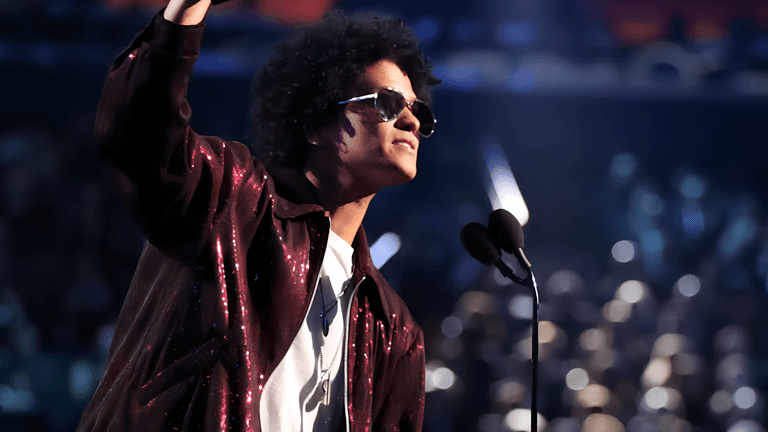
Billy Idol to Receive Lifetime Achievement Honor at American Music Awards, Set for First-Ever AMA Performance

Billy Idol is set to receive the Lifetime Achievement Award at the American Music Awards, marking a major milestone in his decades-spanning career. The recognition highlights his influence on rock music, pop culture, and the visual identity of the MTV generation, while also introducing him to a new wave of audiences who continue to discover his catalog through streaming platforms and film soundtracks.
The announcement places Idol among a select group of artists recognized for shaping modern music history. Emerging in the late 1970s as the frontman of punk rock band Generation X before launching a successful solo career, Idol became known for blending punk attitude with mainstream rock accessibility. His breakthrough in the 1980s produced a string of hits that defined an era of music television, where image and sound became inseparable.
Songs such as White Wedding, Rebel Yell, and Dancing with Myself helped cement his status as a global rock figure. These tracks not only achieved commercial success but also became cultural touchstones, frequently appearing in films, television shows, and advertisements. His signature style, platinum blond hair, leather outfits, and a rebellious stage presence, made him one of the most recognizable figures of the decade.
In addition to his music career, Idol’s influence extends into fashion and visual culture. His aesthetic helped define the glam-punk look that later inspired generations of performers across rock, pop, and alternative genres. Even decades after his initial rise, his image continues to be referenced in modern styling trends and stage production design, reinforcing his status as a cultural icon beyond music alone.
The upcoming American Music Awards ceremony is expected to feature a special performance from Idol, marking his first appearance on the AMAs stage. Producers have emphasized a lineup designed to bridge generations, pairing legacy artists with contemporary performers to reflect the evolving landscape of global music consumption. Idol’s participation is seen as one of the evening’s central highlights.
Industry analysts note that honoring long-established artists has become an increasingly important strategy for televised award shows. As streaming continues to dominate how audiences consume music, legacy performers often experience renewed popularity through curated playlists, viral trends, and synchronized media appearances. This dynamic has helped sustain the relevance of artists whose peak commercial success occurred decades earlier.
For fans and observers, the recognition underscores the lasting cultural footprint of artists who helped shape modern rock. Idol’s continued visibility in entertainment media demonstrates how earlier generations of musicians remain influential in shaping today’s creative industries, from music production to fashion aesthetics.
The American Music Awards have long served as one of the most-watched music ceremonies in the United States, known for blending chart-topping current artists with legendary performers. In recent years, the show has placed increasing emphasis on honoring artists whose work spans multiple decades, reflecting the industry’s broader shift toward celebrating catalog music and long-term cultural influence rather than focusing solely on recent chart performance.
Social media platforms have also played a key role in reviving interest in legacy artists like Idol. Viral clips of classic performances, film soundtrack placements, and curated streaming playlists have introduced his music to younger listeners who may not have experienced his original rise. This renewed visibility has helped bridge generational gaps in music consumption, making legacy acts part of ongoing cultural conversations rather than historical footnotes.
Ultimately, Idol’s recognition at the American Music Awards reflects the enduring nature of influential artistry. His career demonstrates how music can evolve across decades while maintaining relevance through reinvention, cultural resonance, and continued public interest. The honor reinforces the idea that legacy and innovation often coexist in shaping the modern entertainment landscape.
Alongside the award presentation, the ceremony is expected to highlight Idol’s broader influence on live performance aesthetics, including stage production techniques that prioritize theatrical lighting, audience interaction, and high-energy set design. His approach to performance helped shape how rock artists transitioned into the arena and stadium era, influencing how concerts are staged even today.

Celeb Digest Contributor
Covers music and entertainment, following releases, screens, and the industry around them.
This article features partner, contributor, or branded content from a third party. Members of the Celeb Digest editorial staff were not involved in the creation of this content. All views and opinions are those of the contributor alone.