
Hollywood and Tech Industries Converge as AI Reshapes Entertainment Production
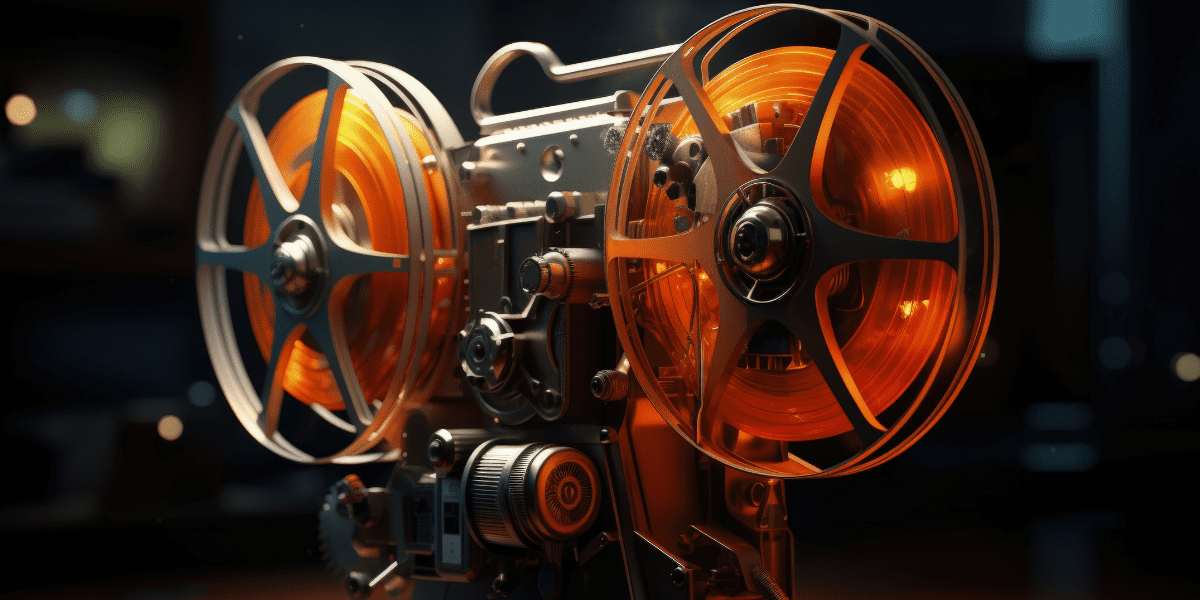
A major shift is unfolding across the U.S. entertainment industry as artificial intelligence becomes embedded in film, television, music, and fashion production workflows. Studios, streaming platforms, and tech companies are rapidly integrating AI tools into editing, content creation, and talent management systems, signaling a structural transformation in how entertainment is produced and consumed.
One of the most significant developments is the growing use of AI-assisted editing systems within Hollywood production pipelines. Advanced machine learning tools are now capable of sorting hours of raw footage, identifying usable scenes, and suggesting edits that align with a director’s style. This shift is reducing the time required for post-production while allowing creative teams to focus more on storytelling decisions rather than manual sorting tasks.
At the same time, major entertainment companies are shifting from experimental AI usage to full-scale integration across production infrastructure. Streaming platforms and studios are deploying AI systems for tasks such as script analysis, visual effects generation, and production scheduling. These tools are designed to improve efficiency, reduce costs, and help manage the increasing demand for global content.
Beyond production, AI is also transforming how performers and creative professionals are represented in digital environments. New systems allow actors, models, and musicians to license digital versions of their likeness for controlled use in advertising, film, and online media. This development is creating new revenue models while also introducing complex discussions around consent, ownership, and creative control.
The music industry is experiencing similar changes, with AI tools increasingly used for composition assistance, audio mastering, and recommendation systems. Record labels and independent artists alike are experimenting with technology that can speed up production workflows and enhance audience targeting. While these tools are not replacing human creativity, they are becoming an important part of modern music production ecosystems.
Despite rapid adoption, the expansion of artificial intelligence in entertainment continues to spark debate across creative communities. Concerns remain about the long-term impact on employment, authorship, and the authenticity of digital content. Industry groups and creative unions are advocating for clearer standards regarding transparency, disclosure, and compensation when AI tools are used in professional productions.
Industry observers suggest that the current phase of AI adoption marks a turning point for entertainment, comparable to the rise of digital streaming in previous decades. As technology continues to evolve, the balance between efficiency and creative expression will likely define the next era of Hollywood and global entertainment production.
Streaming platforms are also increasingly relying on AI-driven recommendation engines and audience analytics to shape content strategy. These systems analyze viewing patterns, engagement behavior, and demographic trends to help studios decide what types of shows and films to produce. In addition, AI is being used in marketing campaigns to personalize trailers, promotional materials, and targeted advertisements for different audience segments, further blurring the line between content creation and distribution strategy.
Beyond film and music, the fashion industry is also undergoing a digital transformation driven by AI technologies. Designers and brands are experimenting with virtual fashion shows, AI-generated clothing concepts, and digital models that can be used in global campaigns without physical production constraints. These innovations are enabling faster design cycles and reducing production costs while expanding creative possibilities for designers and marketers.
Looking ahead, industry analysts expect AI to become even more deeply integrated into entertainment ecosystems, with future developments likely focusing on real-time content generation, fully AI-assisted production pipelines, and enhanced collaboration between human creators and intelligent systems. While challenges remain around regulation and creative ownership, the momentum suggests that AI will remain a defining force in the evolution of global entertainment.
As these technologies become more mainstream, audiences are also beginning to experience entertainment in new ways, from interactive storytelling to personalized media experiences shaped by algorithmic systems. For creators, this shift presents both opportunity and adaptation, as new tools expand what is possible while also redefining traditional workflows. The entertainment landscape is evolving into a hybrid model where human creativity and machine intelligence operate side by side, shaping the next generation of global pop culture.

Celeb Digest Contributor
Covers music and entertainment, following releases, screens, and the industry around them.
This article features partner, contributor, or branded content from a third party. Members of the Celeb Digest editorial staff were not involved in the creation of this content. All views and opinions are those of the contributor alone.
Related Posts
Entertainment·September 29, 2026

Entertainment·September 26, 2026

Entertainment·September 21, 2026

Celebrity News·October 1, 2026