Billboard Women in Music Awards 2026 Highlights Industry Influence and Star Power in Los Angeles
The U.S. entertainment industry has been abuzz following one of the most influential recent events in music and pop culture, the Billboard Women in Music Awards 2026. Held in Los Angeles, the ceremony brought together major figures from across the music world to celebrate artistic achievement, cultural impact, and the growing influence of women in shaping the modern music landscape.
Hosted by Keke Palmer, the event delivered a mix of high-profile awards, emotional speeches, and standout performances. The ceremony honored both globally recognized artists and emerging talents, reflecting the evolving and diverse nature of today’s music industry. Among the night’s top honorees were Teyana Taylor, who received the Visionary Award, Zara Larsson, who earned the Breakthrough Award, and Tate McRae, recognized as Hitmaker for her commercial success and growing global influence.
A Celebration of Creative Influence and Industry Evolution
The 2026 edition of the awards emphasized more than just chart performance. It focused heavily on artistic innovation, creative leadership, and cultural impact across multiple platforms. Teyana Taylor’s Visionary Award highlighted her ability to merge music, choreography, and visual storytelling into a cohesive artistic identity. Her recognition reflected a broader appreciation for artists who push creative boundaries beyond traditional formats.
Zara Larsson’s Breakthrough Award acknowledged her continued expansion into the U.S. market and her consistent global presence in pop music. Meanwhile, Tate McRae’s Hitmaker recognition underscored her rapid rise in the streaming era, where digital platforms and viral success play a critical role in shaping an artist’s career trajectory.
Throughout the ceremony, presenters and performers reinforced the idea that modern success in music is no longer defined solely by album sales or radio play. Instead, it now includes streaming performance, social media engagement, visual branding, and cultural influence. This shift has allowed a more diverse group of artists to gain recognition on major industry stages.
Red Carpet Fashion as a Cultural Statement
As with many major entertainment events in Los Angeles, the red carpet became one of the most talked-about elements of the night. Celebrities arrived in a wide range of fashion styles, from experimental couture designs to elegant, classic silhouettes. The red carpet functioned not only as a pre-show attraction but also as a platform for artistic expression.
Artists used fashion to complement their musical identity, reinforcing the close relationship between music and style in contemporary celebrity culture. The resulting visual display quickly gained traction on social media platforms, where fans and fashion analysts discussed standout looks and emerging trends. This growing fusion of fashion and music continues to shape how artists build their public image and connect with audiences.
Expanding Influence Beyond the Ceremony
The impact of the awards extended beyond the event itself, contributing to broader conversations within the entertainment industry. The recognition of women across different genres highlighted ongoing efforts to promote representation and inclusivity in music. It also reflected the increasing importance of cross-genre collaboration and global influence in shaping modern pop culture.
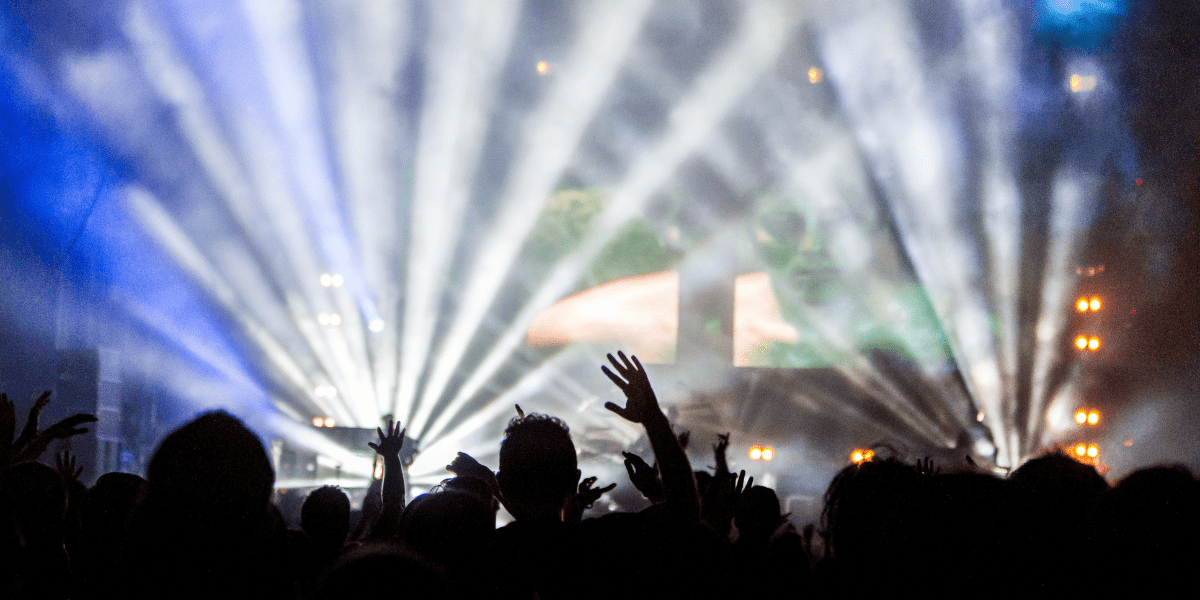
At the same time, the wider U.S. entertainment industry remained active with a steady flow of concerts, promotional events, and media appearances. Live performance culture continues to grow in importance as artists and promoters invest in large-scale touring and audience engagement strategies. Industry initiatives focused on accessibility and fan participation are also helping to strengthen the connection between performers and audiences.
Celebrity appearances across film, television, and music further contributed to a highly active entertainment cycle. Major cities such as Los Angeles and New York saw a concentration of premieres, press events, and award-related activities, reflecting the interconnected nature of today’s entertainment ecosystem.
Key Takeaways from the Current Entertainment Landscape
The continued attention surrounding the Billboard Women in Music Awards reflects several broader trends in the entertainment industry. First, there is a clear shift toward recognizing diverse forms of artistic success, including digital influence, visual storytelling, and global reach. Second, fashion and music are increasingly intertwined, with red carpet appearances serving as extensions of an artist’s brand identity.
Finally, the resurgence of live entertainment and touring underscores the industry’s focus on real-world audience engagement, even as digital platforms remain central to music discovery and consumption.
Overall, the event stands as a strong example of how music, fashion, and celebrity culture continue to evolve together, shaping a fast-moving and highly interconnected entertainment landscape.

Celeb Digest Contributor
Covers music and entertainment, following releases, screens, and the industry around them.
This article features partner, contributor, or branded content from a third party. Members of the Celeb Digest editorial staff were not involved in the creation of this content. All views and opinions are those of the contributor alone.
Related Posts
Entertainment·September 29, 2026
Entertainment·September 26, 2026
Entertainment·September 21, 2026