
Broadway Revival of The Sound of Music Highlights Enduring Appeal of Classic Stage Productions
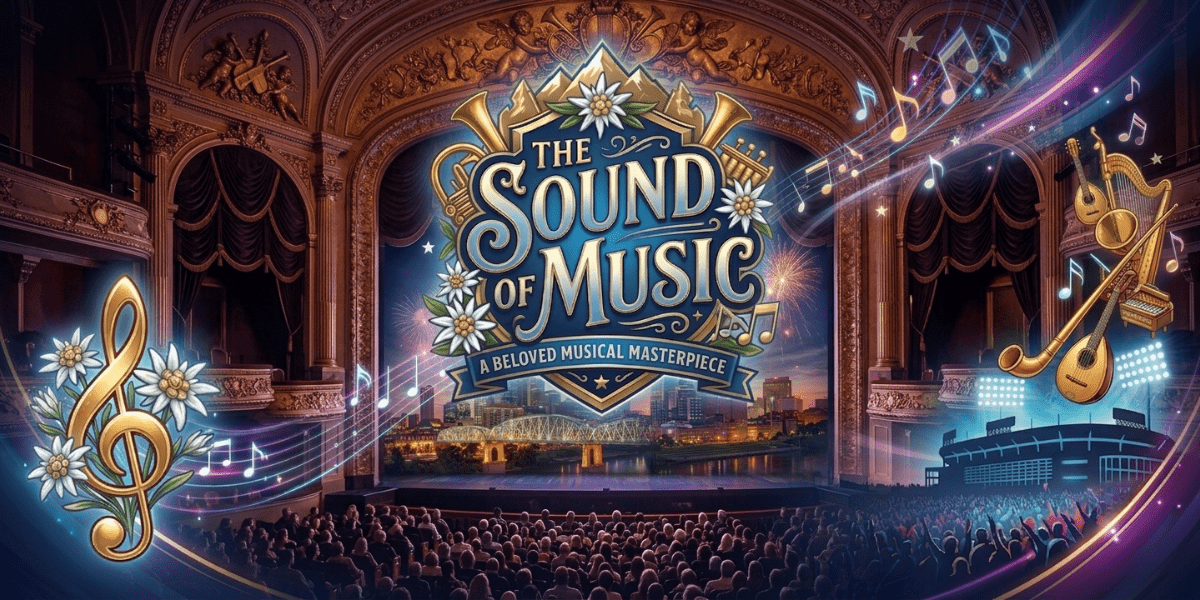
A new revival of The Sound of Music has become one of the most notable live entertainment stories in the United States, drawing renewed attention to the lasting popularity of classic Broadway productions. The touring production’s run at Hollywood Pantages Theatre has attracted strong audience turnout and widespread interest, reinforcing the continued relevance of legacy stage shows in a modern entertainment landscape dominated by streaming and digital media.
Originally debuting on Broadway in 1959, The Sound of Music remains one of the most recognizable musicals in American culture. Created by Richard Rodgers and Oscar Hammerstein II, the production tells the story of the von Trapp family and their life in Austria before World War II. Its influence expanded significantly through the acclaimed 1965 film adaptation starring Julie Andrews, which remains one of the most celebrated movie musicals ever released.
The latest U.S. touring version has updated the staging while preserving the familiar songs that have made the musical a household name for decades. Audiences continue to connect with standards such as “Do-Re-Mi,” “My Favorite Things,” and “Climb Ev’ry Mountain,” which remain central to the production. The show’s updated choreography, lighting, and scenic design have introduced a more contemporary visual style while retaining the original story that made it a lasting success.
The renewed popularity of the musical reflects a broader trend within the entertainment industry. Major live productions have increasingly become a focal point in the U.S. cultural scene as audiences seek experiences beyond film and television. While streaming platforms continue to dominate home viewing, many consumers are showing renewed interest in in-person entertainment, especially large-scale theater productions that offer a shared cultural experience.
Industry analysts note that revivals of classic musicals have become a strategic investment for producers. Well-known titles bring established audience recognition, reducing marketing risks and increasing the likelihood of strong ticket sales. Productions like The Sound of Music appeal to multiple generations, making them particularly valuable. Longtime fans often attend out of nostalgia, while younger audiences are introduced to stories that have shaped musical theater for decades.
The success of this production also highlights the evolving role of major entertainment venues. Hollywood Pantages Theatre has long served as a prominent stop for touring Broadway shows, hosting some of the largest stage productions in the country. The venue’s role in showcasing national tours makes it a key part of the American theater industry and a major contributor to live entertainment in Southern California.
Another reason for the show’s continued significance is the broader entertainment trend toward revisiting familiar cultural properties. Across film, television, and live performances, studios and producers increasingly rely on recognizable titles to attract audiences. Revivals and reboots remain commercially attractive because they come with built-in awareness and emotional connection. The Sound of Music fits that pattern, offering a familiar story that resonates across age groups while being refreshed for a new audience.
The economic impact of touring Broadway productions is also considerable. Major stage events support local businesses, including restaurants, transportation services, and nearby hotels. Large productions often draw out-of-town visitors, making them significant contributors to regional tourism and local economies. For cities like Los Angeles, major theater runs remain important components of the entertainment sector beyond film and television production.
For entertainment audiences, the revival demonstrates that traditional live performances continue to hold cultural value despite changing media habits. While social media and on-demand platforms dominate much of modern entertainment consumption, stage productions still offer a unique experience that cannot be replicated digitally. The atmosphere of live performance, audience participation, and the scale of professional productions remain a strong draw.
The popularity of this production also underscores the enduring power of nostalgia in entertainment. Audiences increasingly gravitate toward familiar stories that connect generations. Parents who grew up watching the film often introduce their children to the stage adaptation, allowing classic works to remain part of mainstream culture. This multigenerational appeal gives productions like The Sound of Music unusual longevity compared with newer original shows.
As the national tour continues, industry observers are watching closely to see whether other classic productions will see similar demand. The strong response suggests that legacy musicals remain commercially viable and culturally significant. In an era where entertainment trends change quickly, the continued success of The Sound of Music shows that timeless storytelling still holds a powerful place in American popular culture.

Celeb Digest Contributor
Covers music and entertainment, following releases, screens, and the industry around them.
This article features partner, contributor, or branded content from a third party. Members of the Celeb Digest editorial staff were not involved in the creation of this content. All views and opinions are those of the contributor alone.
Related Posts

Entertainment·October 5, 2026

Entertainment·October 3, 2026
Entertainment·September 29, 2026

Entertainment·September 26, 2026