American Music Awards Spotlight Las Vegas With Star-Studded Performances and Industry Milestones
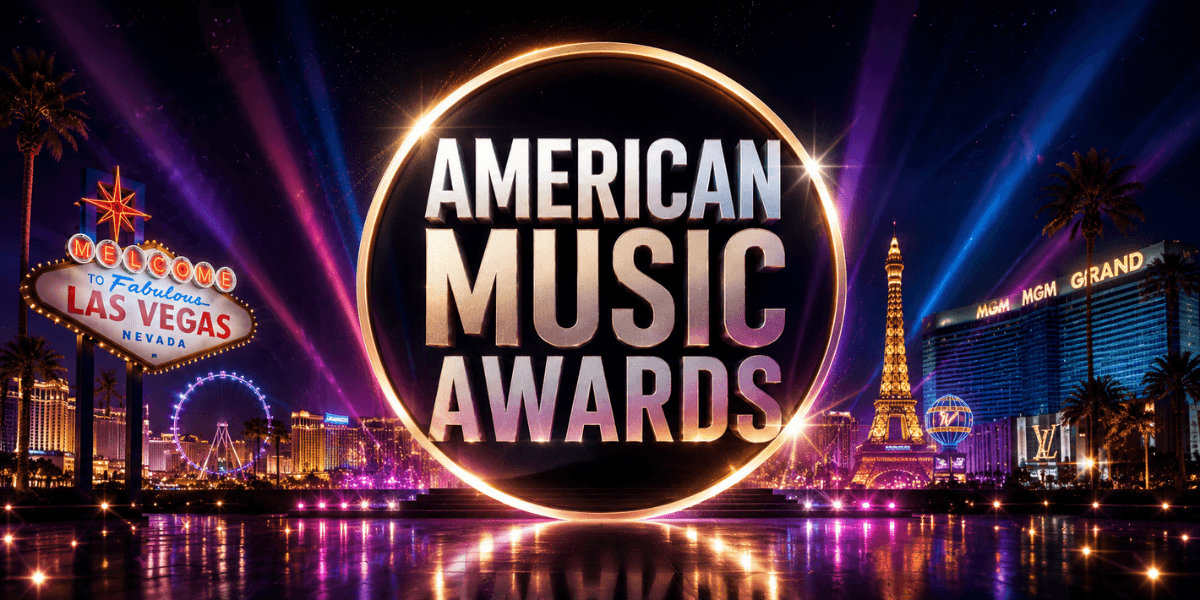
Las Vegas once again served as a global entertainment hub as the American Music Awards transformed the MGM Grand Garden Arena into a celebration of contemporary music, legacy acts, and fan-driven recognition. The annual ceremony, broadcast live and streamed worldwide, highlighted the evolving nature of popular music culture, where established icons and rising stars share the same stage. Hosted by Queen Latifah, the event blended high-energy performances with emotional tributes, reinforcing the AMAs’ reputation as one of the most fan-focused award shows in the entertainment industry.
The performance lineup reflected a broad spectrum of genres and generations, with artists spanning pop, rock, country, and Latin music delivering carefully curated sets. Among the most discussed moments was a pre-recorded performance segment from BTS, integrated into the live broadcast, showcasing the group’s continued global influence even during periods of individual and collective projects. Other performers included Karol G, Keith Urban, Teyana Taylor, Twenty One Pilots, and Hootie & the Blowfish, each contributing distinct stylistic energy that underscored the diversity of modern mainstream music.
One of the evening’s standout highlights was the return of a well-known early-2000s pop group, who reunited for a nostalgic performance that immediately generated online buzz. Their appearance, complete with stylized choreography and signature costumes, served as a reminder of the lasting cultural impact of early digital-era pop music. The moment was amplified by guest collaborations, adding to the spectacle and reinforcing the show’s emphasis on surprise reunions and memorable stagecraft.
Beyond performances, the ceremony also placed emphasis on career milestones and honorary recognitions, acknowledging artists whose contributions have shaped the music landscape over decades. A rock legend received a lifetime achievement honor, marking a significant moment of reflection on a long-standing career that influenced multiple generations of musicians. Another artist was recognized for philanthropic and humanitarian contributions, adding depth to the event’s celebration of impact beyond commercial success.
The ceremony also reflected broader shifts in the entertainment industry, particularly the increasing globalization of music and the growing dominance of streaming platforms. International artists played a central role in major categories, signaling a shift away from traditional U.S.-centric award structures. At the same time, the blending of live broadcast television with digital streaming and social media engagement highlighted how award shows are adapting to maintain relevance in a rapidly changing media environment.
In addition to the award show, broader entertainment news cycles surrounding the event reflected ongoing changes in Hollywood and television. Several long-running syndicated programs continued to phase out, marking a shift in audience preferences toward on-demand and streaming-first content. Meanwhile, fashion and celebrity appearances at concurrent global events underscored the interconnected nature of music, film, and style industries, where red carpet visibility remains a key driver of cultural conversation.
Overall, the event reinforced the continuing importance of live televised entertainment in a fragmented media landscape. By combining legacy performances, contemporary chart success, and surprise collaborations, the ceremony demonstrated how award shows are evolving to remain culturally relevant. It also highlighted the enduring appeal of shared cultural moments that bring audiences together across platforms, generations, and musical tastes.
Social media platforms played a major role in amplifying the ceremony’s most talked-about moments, with clips of performances, surprise appearances, and acceptance speeches circulating widely within minutes. Fans engaged in real-time discussions, turning key segments into trending topics that extended the reach of the broadcast far beyond traditional television audiences. Fashion also became a central point of conversation, as celebrities showcased bold red carpet looks that reflected both contemporary trends and retro-inspired aesthetics, reinforcing the event’s role as a cultural showcase beyond music alone. Industry observers noted that the strong digital engagement surrounding the ceremony underscored how award shows now function as hybrid entertainment experiences, designed equally for live audiences and online virality. This shift has encouraged producers to prioritize visually impactful staging, shorter performance segments, and moments tailored for sharing across social platforms. As a result, the ceremony continues to evolve in structure and presentation, aligning itself with changing audience behavior while maintaining its core focus on celebrating musical achievement.
The event ultimately reinforced the importance of large-scale live entertainment productions in shaping global pop culture narratives. By merging music, fashion, and digital engagement, it demonstrated how award shows remain influential cultural moments capable of uniting diverse audiences through shared experiences.

Celeb Digest Contributor
Covers music and entertainment, following releases, screens, and the industry around them.
This article features partner, contributor, or branded content from a third party. Members of the Celeb Digest editorial staff were not involved in the creation of this content. All views and opinions are those of the contributor alone.
Related Posts
Entertainment·October 5, 2026

Entertainment·October 3, 2026
Entertainment·September 29, 2026
Entertainment·September 26, 2026