Taylor Swift Performs New Mashup in Grammy Museum Video
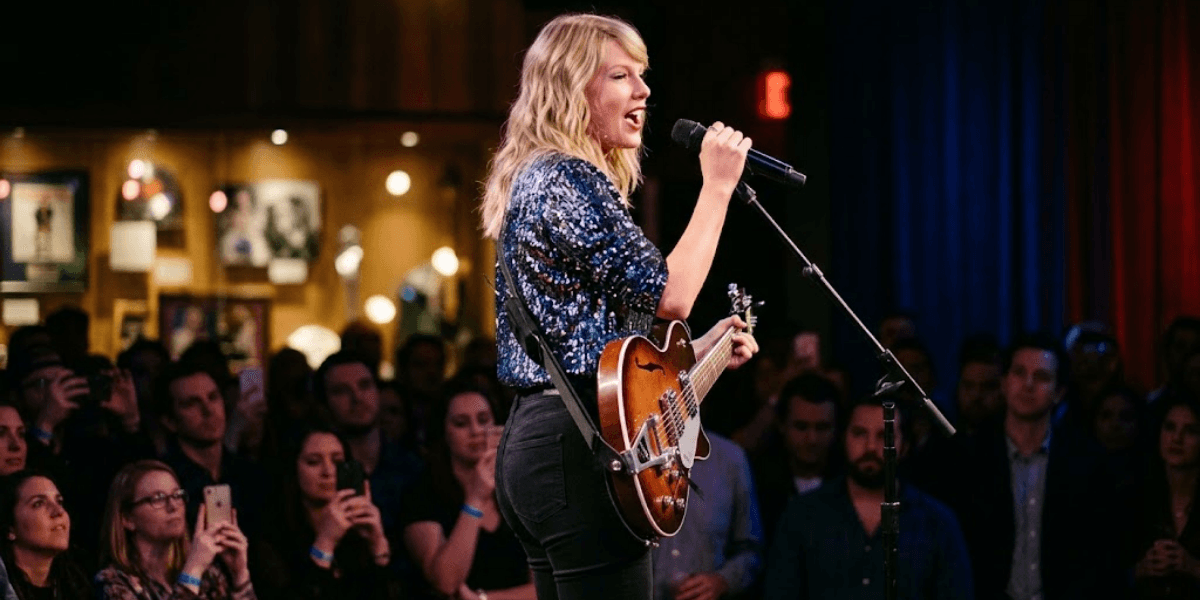
Taylor Swift appeared in a newly released Grammy Museum video Monday, performing a mashup that combined three songs during an extended conversation about her career and music.
The performance brought together “All Too Well,” “I Knew You, I Knew You” and “August,” giving viewers a new version of songs from different periods of Swift's career. The video was released following a detailed question-and-answer session at the Grammy Museum.
The appearance offered fans a different setting from Swift's large-scale stadium performances. Instead of a concert production built around elaborate staging and a full touring set, the Grammy Museum presentation focused on conversation and music.
The mashup format allowed Swift to connect songs that were originally released in different contexts. “All Too Well” has become one of the most recognized songs associated with her songwriting catalog, while “August” was part of the material from her 2020 album “Folklore.”
The performance demonstrated how established songs can take on different arrangements when presented outside their original album or concert settings.
Museum appearances can also provide artists with opportunities to discuss their creative process in greater detail than is possible during a conventional concert.
The Grammy Museum has regularly hosted artists for conversations, performances and educational programs designed to explore the history and craft of recorded music.
Swift's appearance fits that broader mission by placing her songwriting and performance work within a discussion about her career.
The newly released video also gave audiences access to a performance that was different from the versions available on commercial recordings.
Mashups are particularly effective in this type of setting because they allow an artist to connect themes, melodies or lyrical ideas from separate songs.
Swift has frequently experimented with combining songs during live performances, particularly during her stadium tours. Presenting a mashup in a museum setting gives that practice a more intimate presentation.
The appearance also drew attention because Swift remains one of the most influential contemporary recording artists. Her catalog spans country music, pop and alternative-influenced songwriting, while her concerts have become major cultural events.
The Grammy Museum setting placed greater emphasis on the songwriting itself.
The event also reflected the changing way audiences engage with established music catalogs. Songs can now be revisited through live versions, acoustic performances, archival footage and newly released videos long after their original publication.
For listeners, those versions can provide additional context for familiar recordings.
The mashup of “All Too Well” and “August” was particularly notable because both songs have developed strong identities among Swift's fans, although they come from different albums and musical periods.
The inclusion of “I Knew, I Knew You” added another element to the performance and demonstrated Swift's ability to move between different parts of her repertoire.
The Grammy Museum presentation also allowed the music to stand without the large-scale visual production normally associated with Swift's concerts.
That difference can reveal another side of a performer's work. Without a stadium audience or elaborate stage production, the focus shifts toward vocals, lyrics and arrangement.
The video's release also highlights the continuing role of music institutions in documenting contemporary artists.
Museums and archives have increasingly incorporated popular music into cultural programming, preserving recordings, performances and conversations that help explain how music is created and consumed.
Swift's appearance therefore had significance beyond the individual performance.
It provided a snapshot of an established artist revisiting her catalog while participating in an institutional discussion about music and songwriting.
The release also gave audiences another way to experience familiar material. Rather than simply replaying studio recordings, viewers could hear Swift reinterpret several songs within a single performance.
Such reinterpretations can extend the life of songs by introducing different arrangements and combinations.
For Swift, the Grammy Museum appearance provided an opportunity to connect directly with the musical history surrounding her work.
For viewers, the newly released video offered an intimate performance that differed considerably from the scale of her major concert productions.
The mashup ultimately demonstrated the flexibility of a large songwriting catalog. Songs written and recorded years apart can be brought together in a new arrangement, creating a fresh interpretation without changing the original recordings.
The Grammy Museum video therefore provided both a performance and a retrospective look at Swift's music, giving audiences another perspective on one of the most prominent songwriting careers in contemporary popular music.

Celeb Digest Contributor
Covers music and entertainment, following releases, screens, and the industry around them.
This article features partner, contributor, or branded content from a third party. Members of the Celeb Digest editorial staff were not involved in the creation of this content. All views and opinions are those of the contributor alone.
Related Posts


Entertainment·October 14, 2026
Celebrity News·October 13, 2026
Entertainment·October 5, 2026