The CW Drops Miss USA Broadcast One Week Before the 2026 Pageant
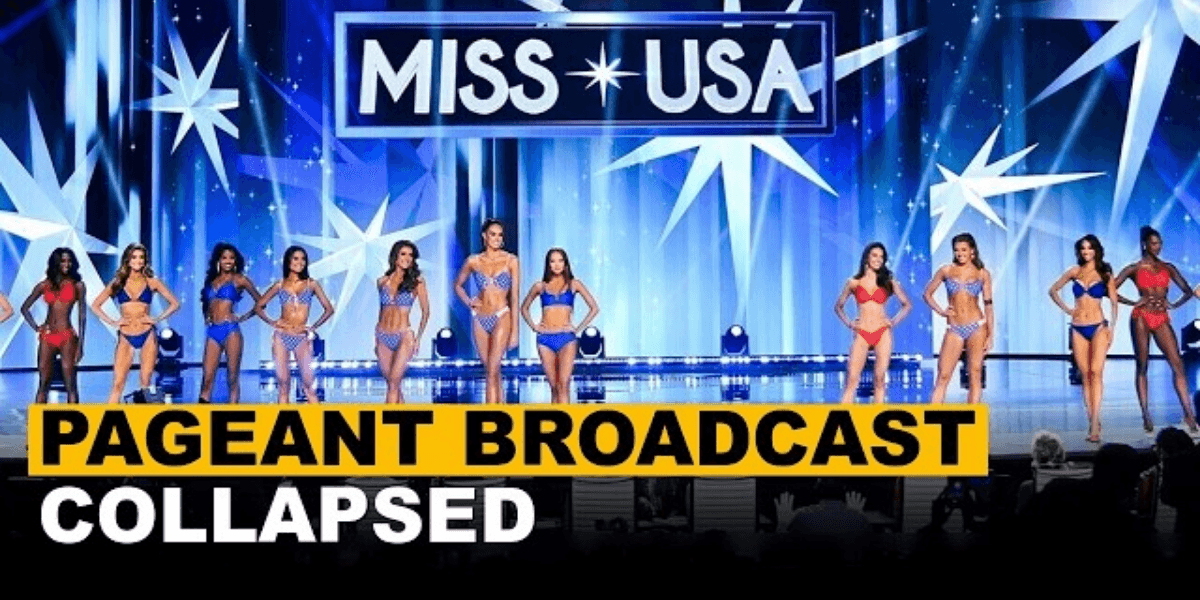
The CW will no longer broadcast the Miss USA and Miss Teen USA finals, changing the television plans for two major American pageants less than a week before the events were scheduled to take place.
The network confirmed Thursday that it had decided not to air the competitions as previously planned. The change affects the Miss Teen USA final and the Miss USA final, both of which had been scheduled for broadcast on The CW.
The decision represents a significant change for the pageants because The CW had previously announced an agreement to carry the events. The network's decision came shortly before the competitions, creating a major shift in how audiences would watch the contests.
The Miss USA Organization said the broadcasts would instead move to streaming through the Queen Beauty Network. The organization had also used streaming for the previous year's pageant after the event was not carried on traditional broadcast television.
The change reflects the increasingly flexible distribution model used by entertainment organizations. Major events that once depended primarily on television networks can now reach audiences through dedicated streaming platforms, websites and connected television services.
For the pageant organization, streaming provides an alternative method of presenting the competition without canceling the event itself. Contestants can still participate, while viewers can follow the competition through a digital platform.
The timing of the decision nevertheless makes the development notable. Broadcast agreements are generally an important part of large entertainment events because television exposure can expand an event's audience and provide greater visibility for participants.
The 2026 Miss USA competition is also significant because it represents the pageant's 75th anniversary. Organizers had planned a celebration centered on the pageant's long history and its place in American popular culture. The event was scheduled to feature contestants representing all 50 states and Washington, D.C., along with appearances from former titleholders.
The pageant's distribution change therefore comes at an important moment for the organization. Instead of relying on a conventional television broadcast, the event will continue through a streaming-first approach.
The shift also illustrates the broader changes affecting televised entertainment. Networks increasingly evaluate programming according to audience demand, distribution costs and strategic priorities, while producers have more options for reaching viewers directly.
Streaming has become particularly important for live events that appeal to specialized or highly engaged audiences. Digital distribution can provide flexibility, although the audience experience differs from traditional network television.
The Miss USA Organization had already announced that the event would be available through the Queen Beauty Network after the change in television plans. The streaming approach means viewers will need to access the digital platform rather than watching the finals through The CW's regular programming schedule.
The development does not cancel the competitions themselves. Contestants remain scheduled to compete, and the organization has continued preparations for the events.
The pageant's move away from The CW is consequently best understood as a distribution change rather than the cancellation of the Miss USA competition.
For entertainment audiences, the decision highlights how rapidly the delivery of major cultural events can change. A broadcast arrangement can be replaced by a digital platform close to an event, allowing the program to continue while changing how viewers access it.
The 2026 Miss USA finals will therefore take place under a different viewing model than originally expected. The change gives the pageant organization an opportunity to continue its annual competition while relying on streaming rather than a traditional broadcast network.
The decision also demonstrates the continuing transition within the entertainment industry, where television networks and digital platforms increasingly compete for major live programming and audiences have more ways to watch high-profile events.

Celeb Digest Contributor
Covers music and entertainment, following releases, screens, and the industry around them.
This article features partner, contributor, or branded content from a third party. Members of the Celeb Digest editorial staff were not involved in the creation of this content. All views and opinions are those of the contributor alone.
Related Posts

Entertainment·October 14, 2026

Entertainment·October 5, 2026

Entertainment·October 3, 2026